AAIB Calls for Unified Oversight of Civil and Defence Aviation
India’s Aviation Accident Investigation Board urged tighter coordination between civilian and military air authorities to prevent future mishaps. The appeal follows recent incidents that exposed procedural gaps in airspace management.
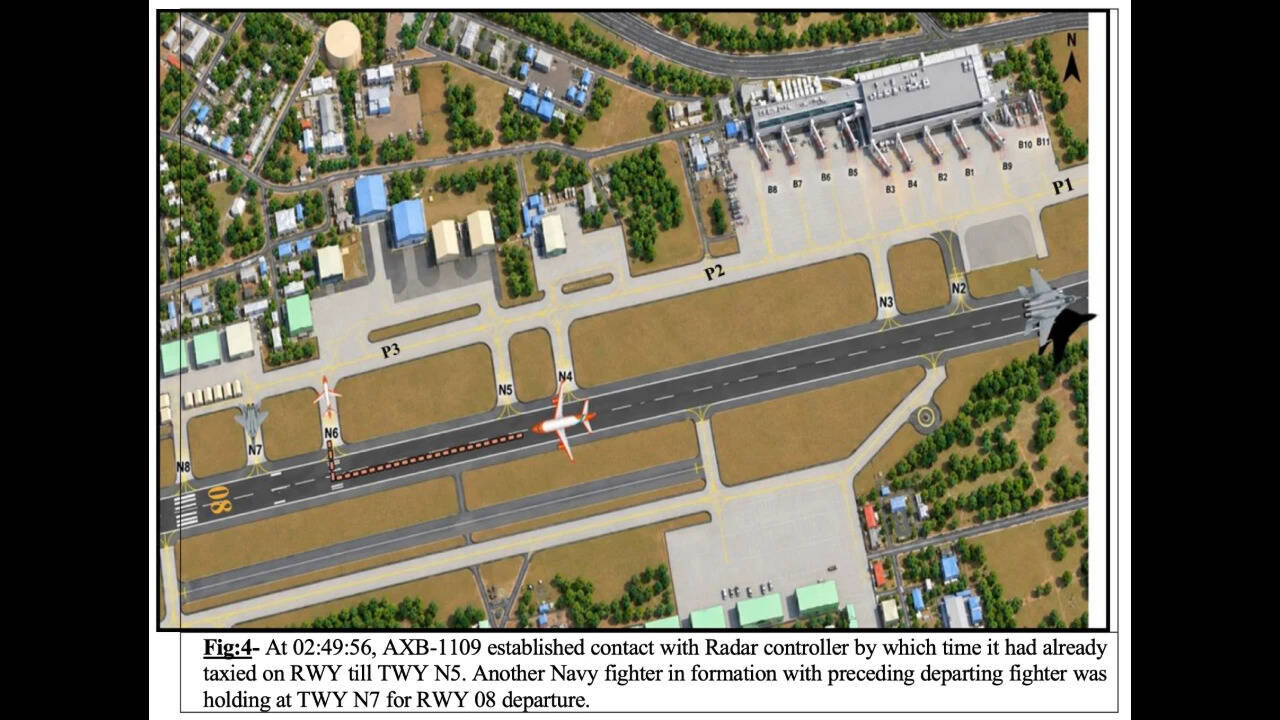
The call for unified oversight emerged after a series of near‑misses involving commercial flights and defence aircraft, prompting the AAIB to highlight the fragmented command structures that hinder rapid response. The board’s report outlined specific instances where communication breakdowns delayed emergency procedures, underscoring the need for a joint protocol that bridges the civil‑military divide. By recommending a shared database and joint training exercises, the AAIB aims to embed a culture of cooperation across the aviation sector.
Underlying tension resides in the historic separation of the Directorate General of Civil Aviation and the Indian Air Force, each operating under distinct legislative frameworks. Institutional friction has been exacerbated by competing priorities: commercial airlines focus on schedule adherence, while defence units prioritize operational secrecy. Recent parliamentary debates have revealed resistance from certain defence officials wary of civilian oversight, reflecting a broader struggle over jurisdictional authority.
If the recommendations are adopted, airlines could see enhanced safety margins, while defence planners may need to adjust flight corridors to accommodate civilian traffic. Conversely, failure to act could result in further incidents, eroding public confidence and inviting regulatory scrutiny. Over the coming year, the push for integration may catalyse legislative reforms, potentially reshaping the governance of India’s airspace.
Comments 0