Chevron's 50% Exploration Spend Hike Signals a Return to Frontier Risks
Chevron has increased its exploration spending by 50%, marking a strategic pivot back to high-impact frontier projects after years of focus on domestic shale. This move reflects a renewed appetite for risk in the global energy sector, driven by the need to replenish reserves and diversify production sources.
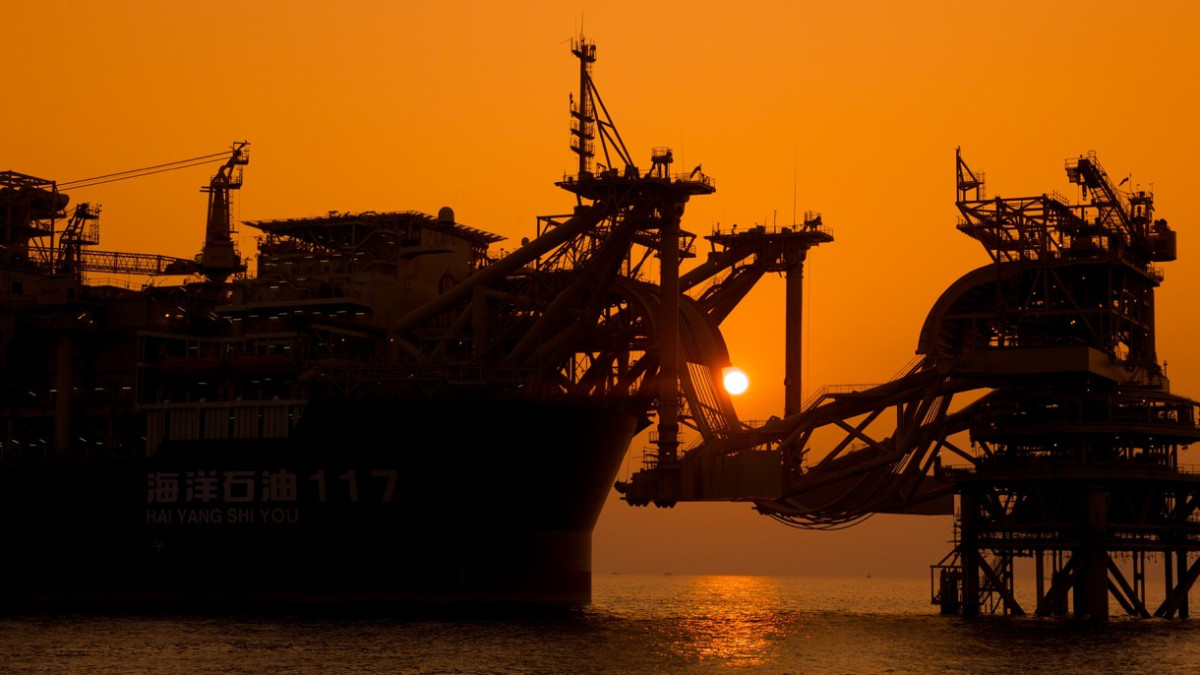
The concrete rupture in the global energy is Chevron's decision to raise its exploration spending by 50%, a significant departure from its recent strategy of focusing on low-risk, high-yield projects in the U.S. Gulf of Mexico and Permian shale basin. This increase in capital allocation signals a return to frontier exploration, where the potential for large discoveries is higher but the risks are also greater. The move is a direct response to the need to renew Chevron's portfolio with diverse opportunities, as domestic shale fields face declining production rates and increasing operational challenges. By investing in frontier regions, Chevron aims to secure long-term reserves and maintain its position as a leading global energy company.
The underlying tension in this decision is the balance between short-term profitability and long-term sustainability. For years, the energy sector has been dominated by a focus on immediate returns, with companies prioritizing projects that offer quick payback periods. However, the depletion of easily accessible reserves and the increasing complexity of domestic operations have forced a reevaluation of this approach. Chevron's pivot to frontier exploration reflects a recognition that the future of the industry lies in discovering new, large-scale resources, even if they come with higher risks and longer timelines. This shift also highlights the institutional friction between shareholder expectations for immediate dividends and the need for long-term investment in resource security.
The downstream consequences of Chevron's strategy are likely to be felt across the global energy market. By increasing exploration spending, Chevron is signaling a commitment to maintaining and expanding its production capacity, which could help stabilize oil prices in the long term. However, the success of this strategy depends on the ability to navigate the complex regulatory and geopolitical environments of frontier regions. The tangible outcome of this move will be a more diversified and resilient energy portfolio, reducing Chevron's dependence on any single region or resource type. This development also sets a precedent for other major energy companies, potentially leading to a broader industry-wide shift towards frontier exploration and a renewed focus on long-term resource security.
Comments 0