Air Pollution Drives Health Insurance Claims to Fourfold Increase
Health insurance claims related to pollution have quadrupled in three years, revealing the severe economic burden of deteriorating air quality in India. This trend highlights the direct link between environmental degradation and rising healthcare costs for individuals and insurers.
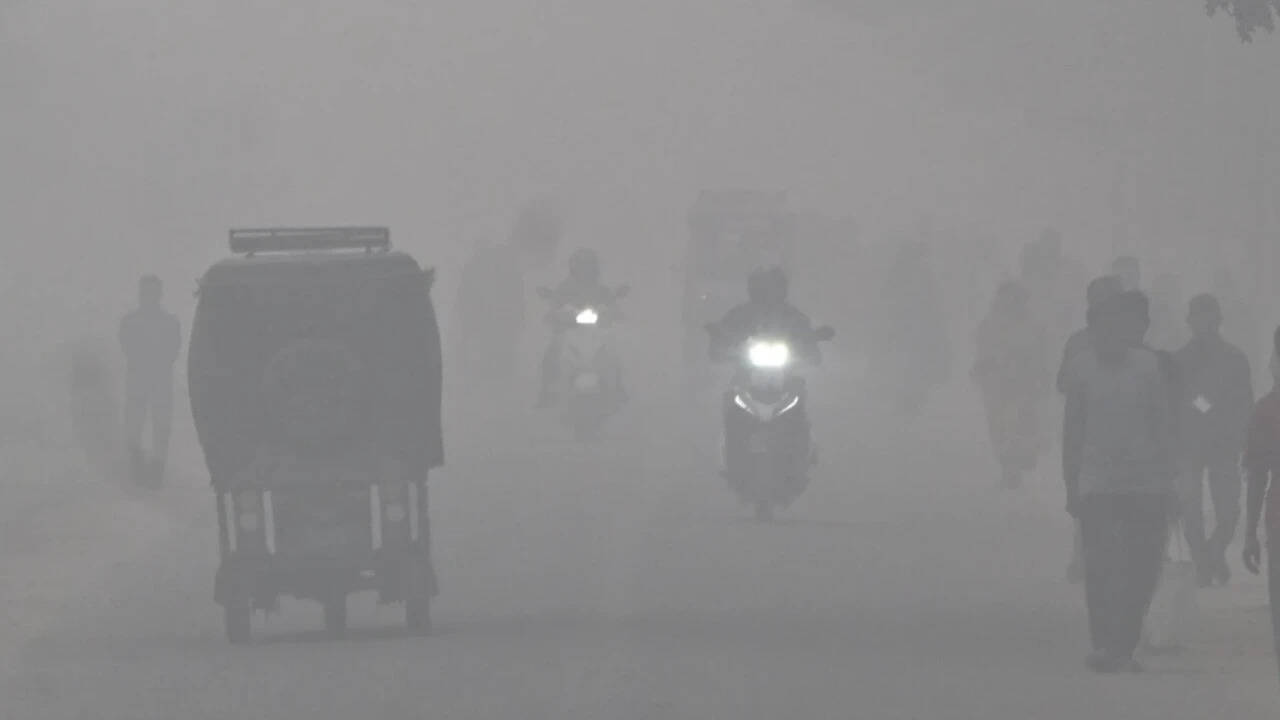
The escalation of air pollution in India has triggered a dramatic spike in health insurance claims, with pollution-related cases increasing fourfold over the past three years. This surge is not a statistical anomaly but a direct consequence of the persistent failure to curb emissions from industrial, vehicular, and agricultural sources. The data underscores a grim reality: the cost of inaction on environmental policy is now being borne by the healthcare system and individual households. As respiratory and cardiovascular conditions linked to poor air quality become more prevalent, the financial strain on insurers and policyholders is intensifying, creating a new category of economic risk that was previously overlooked.
This trend exposes a critical gap in public health infrastructure and environmental regulation. The current approach to managing air quality has been reactive, focusing on temporary measures during peak pollution seasons rather than implementing structural changes to emission standards. The insurance sector is now acting as an early warning system, quantifying the human cost of environmental neglect. The friction between regulatory bodies and industrial stakeholders remains unresolved, with enforcement mechanisms often lacking the teeth to ensure compliance. This institutional weakness allows pollution levels to remain dangerously high, leading to a predictable increase in health-related expenditures that outpace the capacity of the public health system to absorb.
The downstream impact of this trend is a rising cost of living for urban populations, as health insurance premiums increase to cover the growing risk pool. For insurers, the need to adjust pricing models and coverage terms is becoming urgent, potentially making health insurance less accessible to lower-income groups. The tangible outcome is a society where the cost of breathing is increasingly reflected in medical bills, creating a feedback loop that exacerbates economic inequality. This shift demands a reevaluation of environmental policy, linking air quality standards directly to public health funding and insurance regulation to mitigate the growing financial burden on citizens.
Comments 0