Alternative for Germany Ascends to Regional Dominance as Christian Democrats Collapse
The populist Alternative for Germany party secured a commanding victory in the Mecklenburg-Western Pomerania state elections, driving Chancellor Merz's Christian Democratic Union to a historic electoral low. This seismic shift exposes deep regional anxieties surrounding economic stagnation and immigration policy failure, shattering the traditional centrist consensus in federal politics.
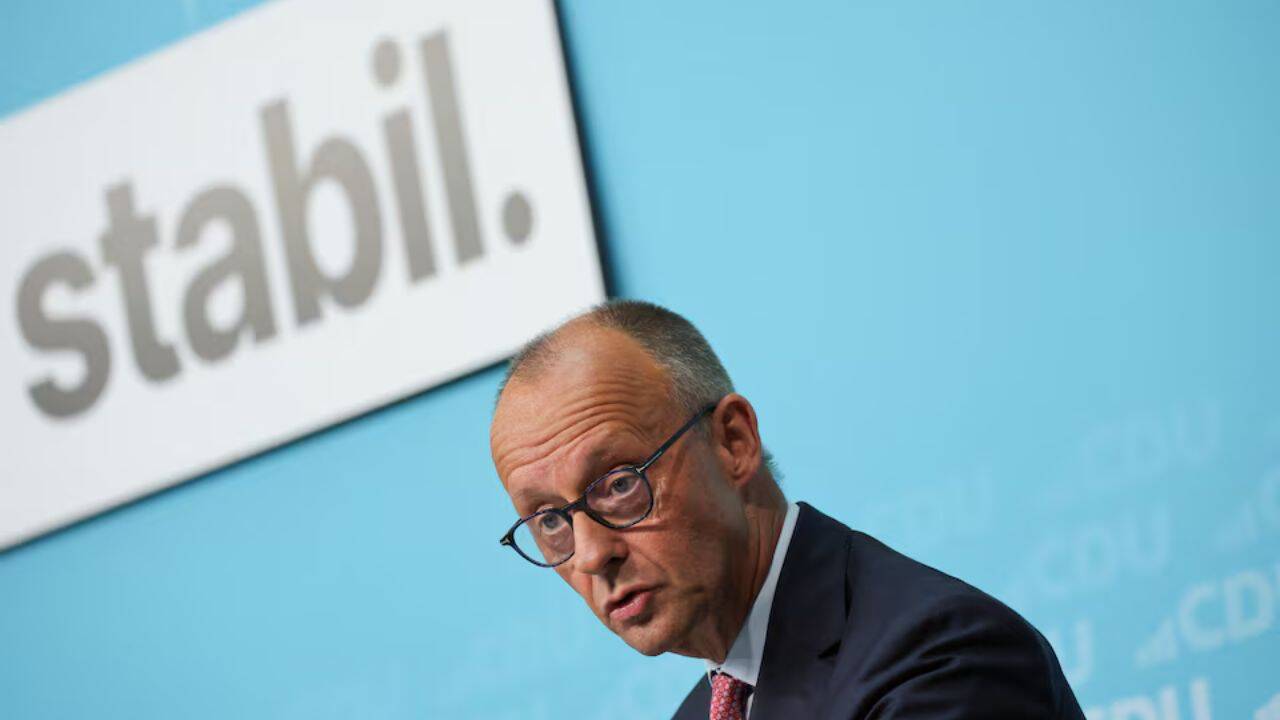
The political architecture of Germany shuddered as electoral returns from Mecklenburg-Western Pomerania confirmed the definitive rise of the Alternative for Germany party to regional dominance. Long considered a marginal force confined to eastern strongholds, the nationalist formation capitalized on widespread disillusionment with federal governance; voters disillusioned by persistent inflation and compounding social friction cast ballots that fundamentally redrew the political map. Chancellor Friedrich Merz watched in dismay as his Christian Democratic Union plummeted to its lowest voter share in modern history, signaling an acute crisis of confidence in mainstream conservative leadership. Beneath this electoral upheaval lies a profound structural disconnect between metropolitan elites and provincial populations grappling with deindustrialization and public service deficits. The mainstream parties have long relied on defensive rhetoric to contain populist momentum, yet this strategy has failed to address the root causes of working-class grievance. Institutional gatekeepers now confront an electorate increasingly immune to standard appeals of stability and incremental reform. The resulting vacuum has empowered political insurgents who offer radical systemic disruption over parliamentary compromise. As the dust settles over the regional parliament, the immediate downstream consequence involves severe legislative paralysis and coalition instability at the federal level. Moderate politicians face an existential choice between hardening their own policy stances on border security and economic protectionism or watching their electoral base permanently dissolve. This shockwave reverberates across the broader European Union, signaling that populist forces are no longer merely protesting from the margins but actively dismantling the post-war centrist coalition.
Comments 0