German Political Realignment as Alternative for Germany Tops Regional Ballot
The Alternative for Germany party secured a commanding victory in the Mecklenburg-Western Pomerania state elections, driving Chancellor Friedrich Merz's Christian Democratic Union to a historic low. This ballot outcome exposes deep structural fractures regarding economic policy and immigration across European capitals.
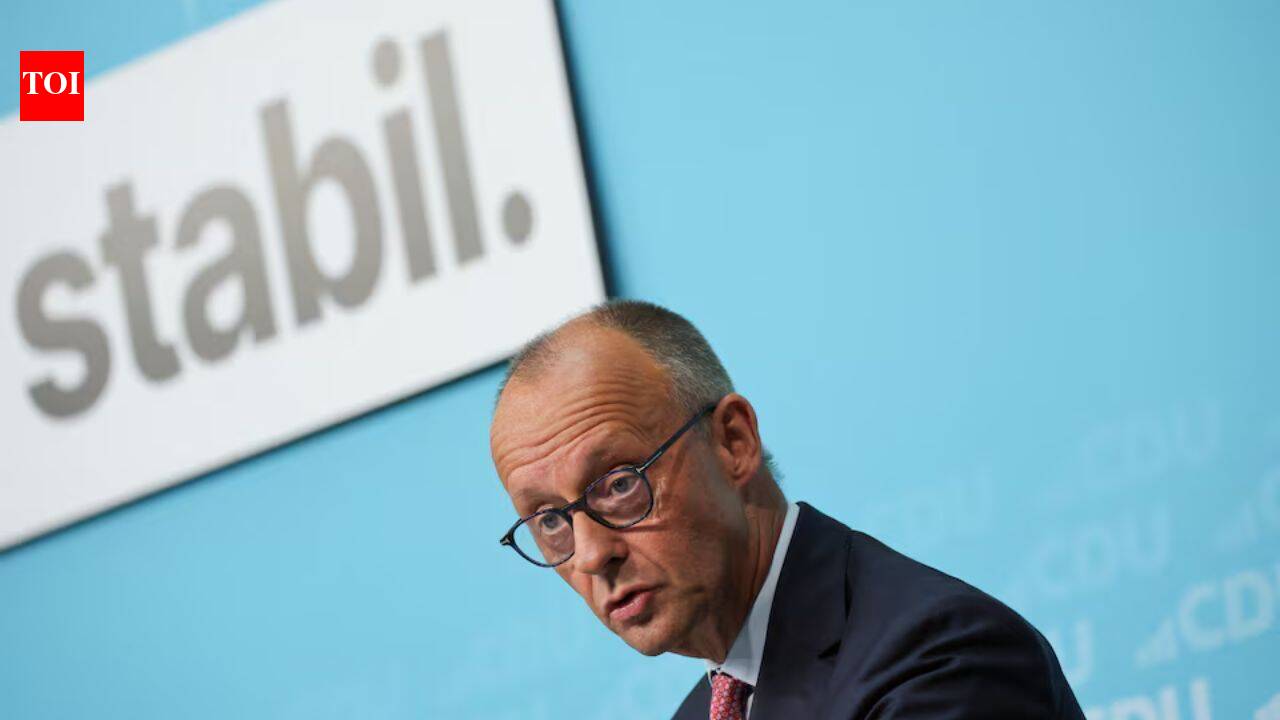
The political architecture of Central Europe experienced a profound jolt as regional electorates in Mecklenburg-Western Pomerania delivered a decisive mandate to the Alternative for Germany. For months, traditional parties dismissed rising discontent as peripheral noise. Instead, Sunday evening confirmed a permanent shift in voter allegiance. The established political elite watched their municipal strongholds dissolve under sustained pressure from working-class communities demanding strict limits on immigration and immediate relief from inflationary shocks. Chancellor Friedrich Merz faced an immediate crisis of authority within his own party following the catastrophic defeat of the Christian Democratic Union. Party strategists had banked on conservative moderation to stanch the hemorrhage of votes to the nationalist right. That calculation backfired spectacularly. Voters expressed open hostility toward urban-centric policy mandates that ignored provincial industrial decline. Consequently, internal factions within the ruling coalition are now openly challenging the national leadership, threatening parliamentary paralysis in Berlin. Institutional stability across the continent now hangs in a precarious balance as governing coalitions scramble to construct defensive firewalls against surging populist movements. The immediate casualty is the traditional centrist consensus that dominated German politics for decades. Municipal authorities are already rewriting local governance frameworks to accommodate the surging opposition. Downstream legislative paralysis will likely stall critical European Union fiscal reforms for the remainder of the electoral cycle.
Comments 0