Architectural Ambitions in Moscow: Army Chief Pursues Artillery Modernisation
The Indian Army chief has initiated high-level military dialogues in Russia centered on artillery modernisation and domestic capability development. This strategic alignment underscores New Delhi's persistent reliance on established defense corridors despite mounting geopolitical pressures.
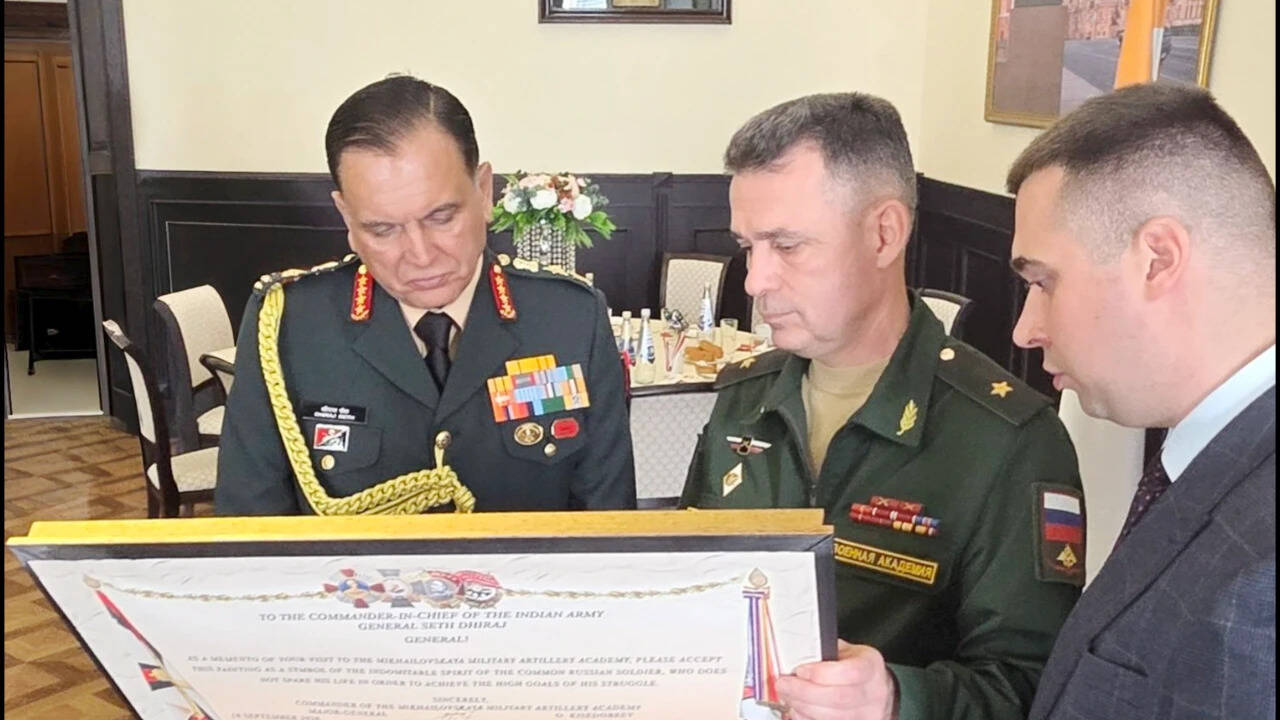
The diplomatic corridors of Moscow recently played host to critical bilateral consultations led by the Indian Army chief, focusing squarely on the overhaul of legacy artillery systems. In an era defined by rapid technological adaptation on the battlefield, the discussions prioritized joint production frameworks and the transfer of advanced defense technologies. Such engagements signal a deliberate effort by Indian military planners to bridge critical capability gaps in heavy firepower while maintaining historical supply chains. Beneath these formal diplomatic pleasantries lies a complex web of geopolitical balancing acts and procurement imperatives. Western defense partners have persistently courted New Delhi with alternative acquisition pipelines, yet the pragmatic demands of maintaining vast Soviet-origin arsenals dictate continued engagement with Russian defense manufacturers. Institutional friction often arises around delayed delivery schedules and domestic indigenization mandates, forcing military leadership to constantly recalibrate foreign dependency against self-reliance targets. The immediate consequence of these high-level talks manifests in accelerated timelines for artillery upgrades along sensitive Himalayan borders. Domestic defense contractors stand to benefit from technology transfer agreements, yet they face immense pressure to match foreign production standards rapidly. Ultimately, this diplomatic outreach secures near-term tactical readiness while complicating India's long-term strategic positioning within Western-led Indo-Pacific security architectures.
Comments 0