Arthashastra Secures UNESCO Recognition, Elevating Ancient Indian Governance Treatise
Kautilya’s Arthashastra has been inscribed on UNESCO’s list of intangible cultural heritage, affirming its historical significance and encouraging scholarly engagement. The accolade positions the ancient text as a reference point for contemporary policy discourse.
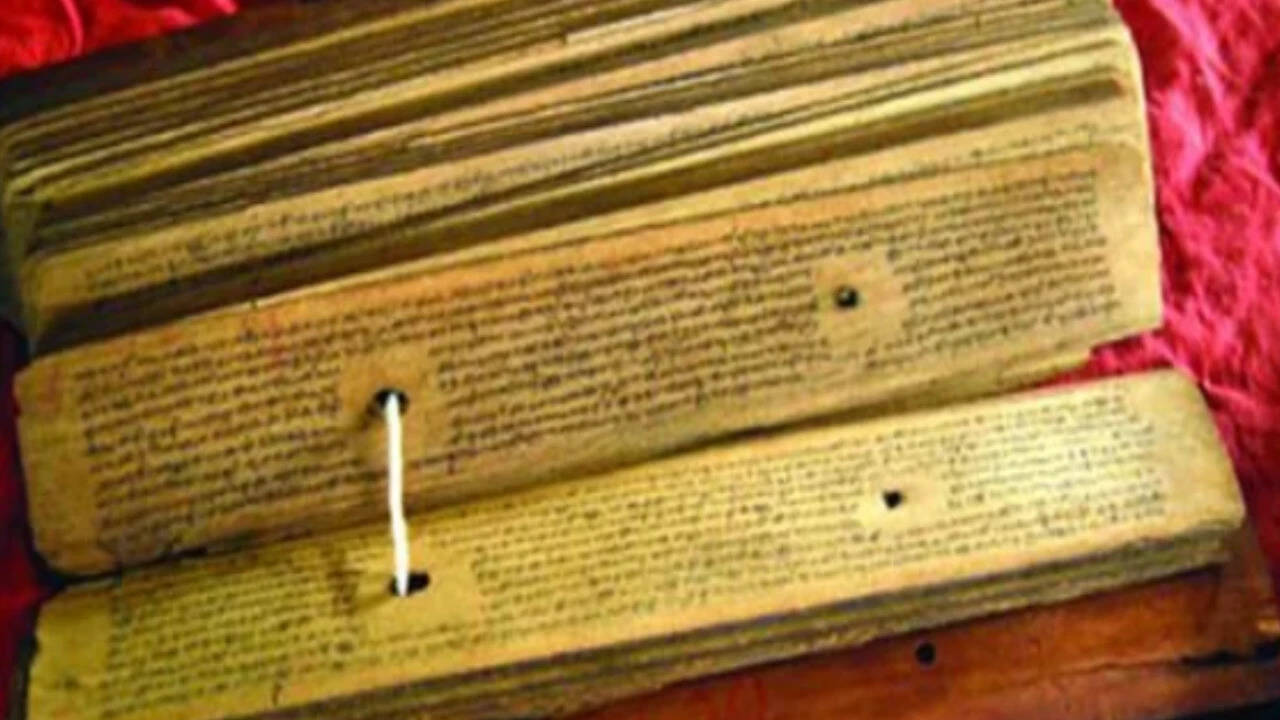
The United Nations Educational, Scientific and Cultural Organization formally recognized the Arthashastra, an ancient treatise on statecraft attributed to the scholar‑minister Kautilya, as part of humanity’s shared intangible heritage. The inscription acknowledges the work’s sophisticated analysis of economics, law, and diplomacy, and it highlights the text’s influence on successive Indian political thought. The immediate effect is heightened visibility for the manuscript, prompting museums and academic institutions to curate exhibitions and research programs centered on its content.
The recognition arrives at a time when India is re‑examining its historical narratives to inform modern governance models. Scholars note that the Arthashastra’s emphasis on pragmatic administration, fiscal prudence, and strategic planning resonates with contemporary policy challenges. The UNESCO endorsement also underscores the collaborative efforts of Indian historians, cultural ministries, and international bodies to preserve and promote the nation’s intellectual legacy. This convergence of academic and diplomatic interests reflects a broader trend of leveraging cultural assets for soft power.
Looking ahead, the designation is expected to stimulate curriculum development in universities, inspire comparative studies with other governance traditions, and potentially influence policy think‑tanks seeking historical analogues for modern reforms. The increased global awareness may also attract tourism to sites associated with Kautilya’s legacy, contributing to regional economies. In the long term, the Arthashastra’s elevated status could shape public discourse on governance, encouraging a dialogue that bridges ancient wisdom with present‑day challenges.
Comments 0