Delhi’s Air Quality Plummets to ‘Very Poor’ as Pollution Peaks in Chandni Chowk
The capital recorded an Air Quality Index of 307, with Chandni Chowk reaching a staggering 395, classifying the environment as very poor. The deteriorating air threatens public health and pressures municipal authorities to act swiftly.
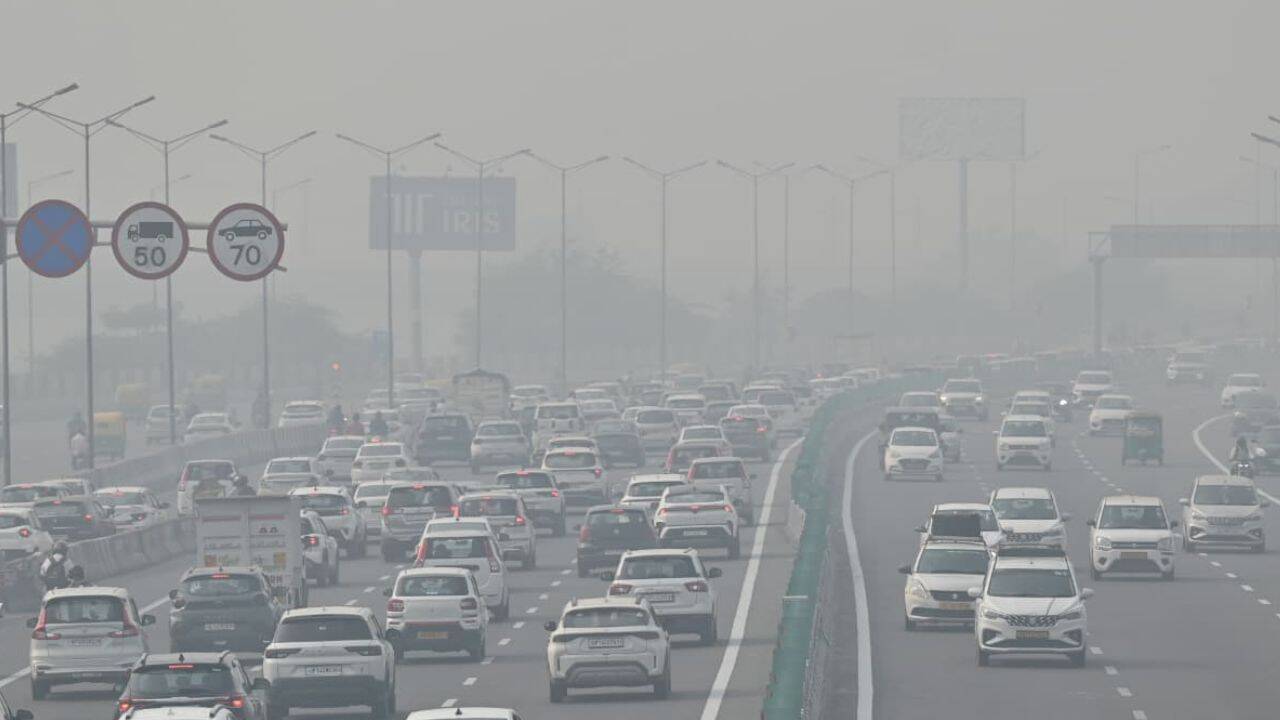
On the day in question, Delhi’s monitoring stations reported an Air Quality Index that surged to 307, a level that health officials label as very poor. The historic market of Chandni Chowk recorded an even higher reading of 395, indicating hazardous conditions for residents and visitors alike. The immediate consequence is a surge in respiratory complaints at hospitals and a surge in public advisories urging citizens to limit outdoor activity and use protective masks.
The spike in pollution stems from a confluence of factors, including a winter inversion that traps particulate matter, increased vehicular emissions, and the burning of crop residues in neighboring states. Municipal agencies have struggled to enforce existing regulations on industrial emissions and construction dust, while inter‑state coordination on stubble burning remains fraught with political tension. The situation highlights systemic gaps in air‑quality management and the challenges of balancing economic activity with environmental health.
In response, the Delhi government has announced emergency measures such as temporary suspension of certain construction projects, deployment of additional air‑purifying units, and stricter monitoring of industrial output. Long‑term implications may include heightened public demand for cleaner energy policies and potential legal challenges against polluters. The health burden, particularly for vulnerable populations such as children and the elderly, is expected to rise, prompting a reassessment of urban planning and transportation strategies.
Comments 0