Arunachal Dam Protests Trigger Military Deployment
The Indian government has airlifted Rapid Action Force units to Pasighat in response to a youth-led strike against a proposed dam project in Arunachal Pradesh. This escalation underscores the growing tension between infrastructure development and environmental concerns in the northeastern region.
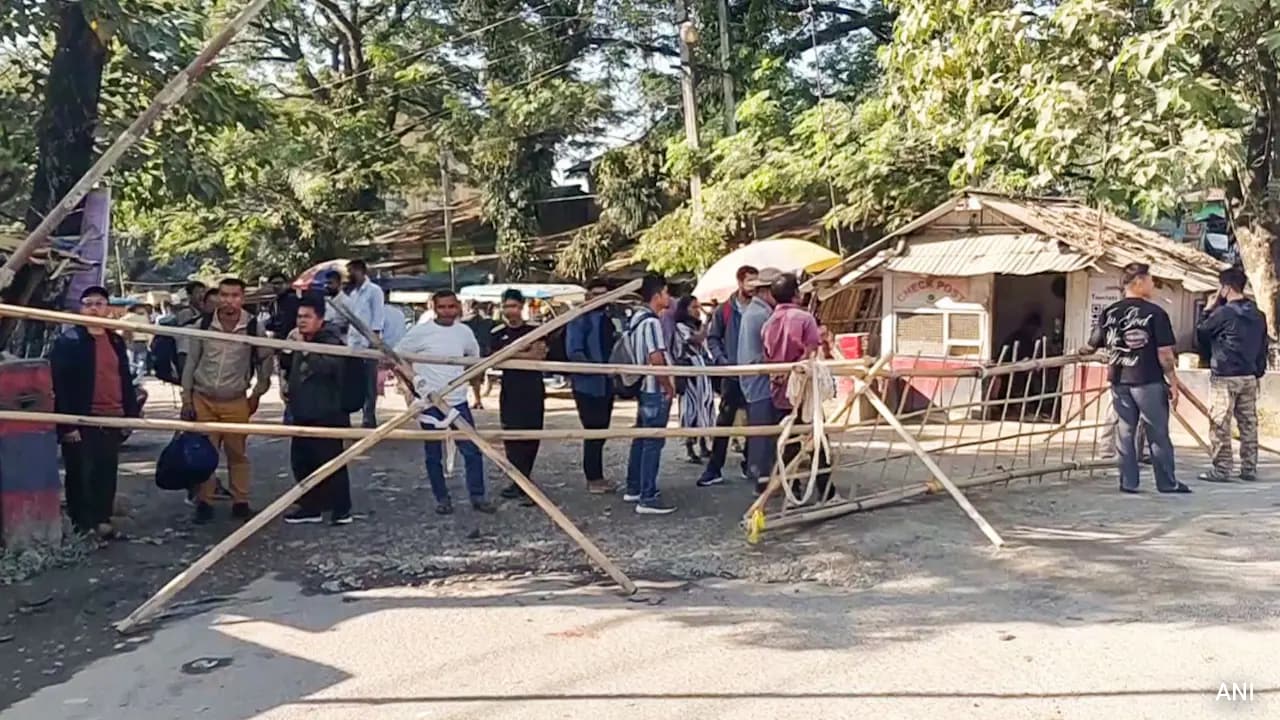
The deployment of paramilitary forces to Arunachal Pradesh represents a significant escalation in the conflict over the proposed dam project. The government's decision to airlift two companies of the Rapid Action Force from Navi Mumbai to Pasighat indicates a serious assessment of the potential for unrest. This move is a direct response to a strike called by young activists, who are opposing the project on environmental and social grounds. The presence of these forces signals a shift from negotiation to containment, as the state seeks to maintain order in the face of growing agitation.
The underlying tension in this dispute is rooted in the clash between national development goals and local environmental concerns. The dam project is seen by the central government as a critical component of the region's infrastructure and energy security, while local communities view it as a threat to their ecological balance and cultural identity. This friction is exacerbated by the involvement of young activists, who are increasingly willing to challenge state authority through direct action. The government faces the challenge of balancing its development agenda with the need to address the legitimate concerns of the local population.
The downstream consequences of this deployment are likely to be significant, both for the region and for the broader political . The tangible outcome is a heightened state of alert, with the potential for further escalation if the protests continue. The use of military force in a civilian dispute may also have long-term implications for the relationship between the state and the local population, potentially deepening existing grievances. The situation requires a delicate balance between maintaining law and order and addressing the root causes of the agitation.
Comments 0