Higher‑Scoring OBC Applicant Overlooked in Competitive Exam
An OBC candidate who outperformed a general‑category aspirant failed to secure a seat in a national examination, reigniting debate over reservation policies. The outcome has intensified calls for transparency in merit‑based selection processes.
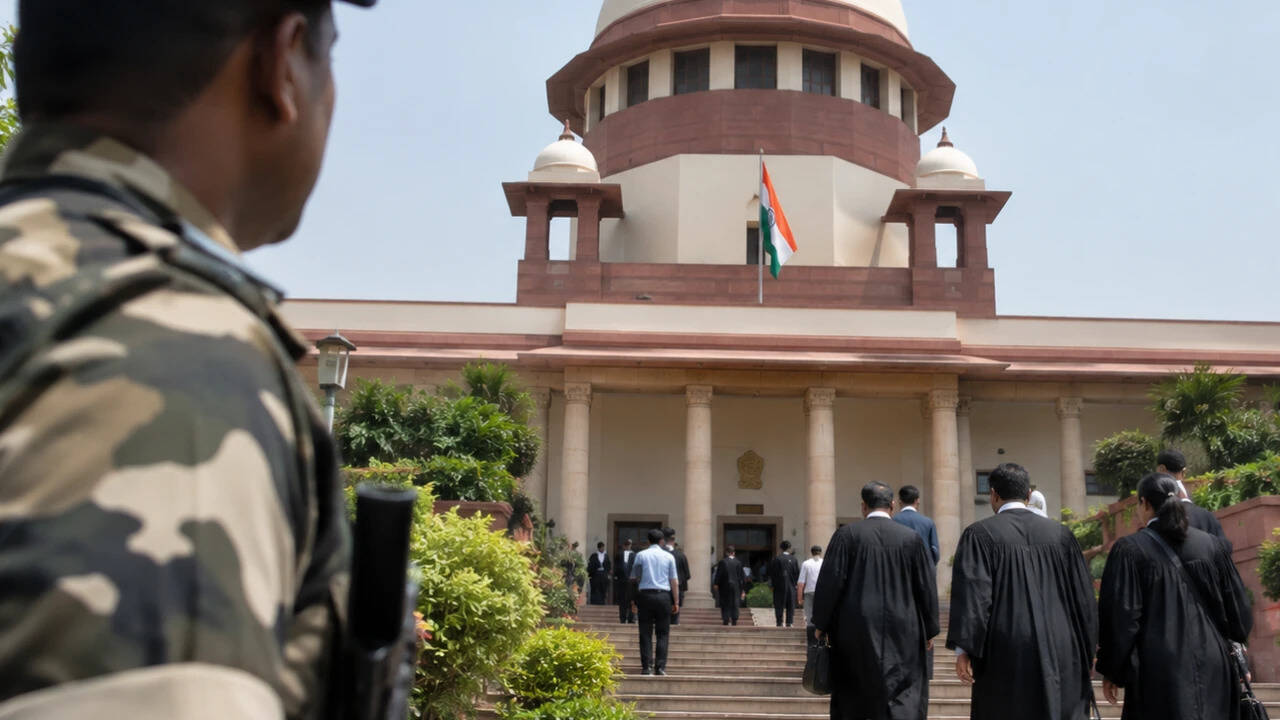
The recent results of a prestigious national exam revealed that an applicant from the Other Backward Classes (OBC) category achieved a higher aggregate score than a counterpart from the general category, yet the OBC candidate was not allotted a seat. The selection board cited the reservation quota as the determining factor, explaining that the general‑category seat was already filled under the stipulated percentage for OBC candidates. This decision sparked immediate protests from student groups who argued that merit should not be eclipsed by quota calculations, especially when the candidate's score surpassed the cutoff for the general pool.
The incident has exposed underlying tensions between the reservation framework and the meritocratic ideals upheld by many educational institutions. Policy analysts point out that the current system, while designed to address historical inequities, often creates opaque thresholds that can disadvantage high‑performing candidates from reserved categories. Legal experts have indicated that the matter could be taken to the courts, where precedents on reservation implementation may be revisited. Meanwhile, political parties on both sides of the aisle have seized the narrative, with some demanding stricter enforcement of quotas and others urging a recalibration of the system to better reflect academic achievement.
The downstream effects are already manifesting in a surge of petitions filed by affected candidates seeking redress, as well as a broader public discourse on the fairness of reservation policies. Universities are reviewing their admission protocols to ensure clearer communication of quota allocations, while advocacy groups are mobilising to lobby for reforms that balance social justice with merit. The episode underscores the delicate equilibrium that policymakers must maintain to uphold both equity and excellence in India's competitive educational .
Comments 0