Authorities Declare the Peak of the Latest Ebola Outbreak in the DRC
Public health officials in the Democratic Republic of the Congo report that infection rates for the latest Ebola surge have finally begun to decline. Despite the positive trajectory, medical responders emphasize the necessity of sustained vigilance in remote districts.
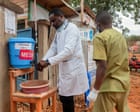
The resurgence of the virus placed immense strain on regional healthcare infrastructure, testing the capacity of local clinics and international aid organizations alike. Thousands of suspected cases required rapid isolation and treatment protocols in environments historically resistant to outside medical intervention. Community engagement teams worked tirelessly to overcome deep-seated mistrust and misinformation regarding vaccination campaigns. While the epidemiological curve has flattened, health authorities caution against premature declarations of victory. Secondary clusters in isolated territories require immediate containment resources to prevent a secondary wave of infections. The financial burden of maintaining these emergency operations continues to drain national health reserves, necessitating emergency funding from global donors. The successful containment effort underscores the growing efficacy of localized response networks deployed by Congolese medical professionals. Nonetheless, the crisis exposes structural vulnerabilities in sub-Saharan public health systems that require long-term international investment to prevent recurring catastrophes.
Comments 0