Aviation Safety Accountability Questioned Following Fatal Boeing Fleet Silence
An international aviation advocacy group has formally challenged Indian air safety authorities regarding the absence of public warnings for the Boeing 787 fleet. The inquiry follows mounting scrutiny over structural oversight and regulatory transparency.
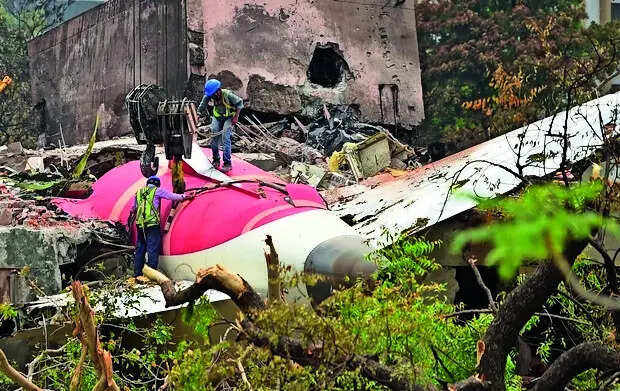
The global aviation community is confronting uncomfortable questions regarding regulatory vigilance after an influential American aviation coalition formally petitioned the Aircraft Accident Investigation Bureau of India. The inquiry centers on why authorities failed to issue mandatory safety directives or fleet-wide operational warnings following the tragic crash designated as AI 171. This silence has ignited fierce debate among aerospace engineers and passenger advocacy groups regarding the speed and transparency of accident investigations involving widebody commercial aircraft. At the core of the controversy is a delicate institutional balancing act between maintaining public confidence and uncovering systemic mechanical failures. National regulators frequently find themselves pressured by commercial carriers and manufacturing giants to avoid premature panic, which can ground fleets and disrupt global supply chains. However, consumer advocacy groups argue that withholding interim safety advisories shields corporate entities at the expense of passenger safety. The reluctance of the AAIB to issue proactive warnings exposes deep vulnerabilities in the oversight architecture governing modern commercial aviation. The downstream casualty of this regulatory opacity is the erosion of trust between flying publics and the agencies mandated to protect them. Without timely disclosures regarding potential vulnerabilities in the Boeing 787 architecture, international operators are left guessing about the airworthiness of their fleets. This institutional hesitation risks forcing unilateral grounding decisions by foreign civil aviation authorities, fracturing the cohesive global standards that have historically defined commercial flight safety.
Comments 0