Shiv Sena Internal Rift Tested Before Supreme Court as Dissent Meets Legal Scrutiny
Eknath Shinde petitioned the Supreme Court asserting that abstaining from a party meeting does not constitute defection, challenging the internal disciplinary mechanisms of Shiv Sena. The filing has intensified a power struggle that could reshape the party’s leadership hierarchy.
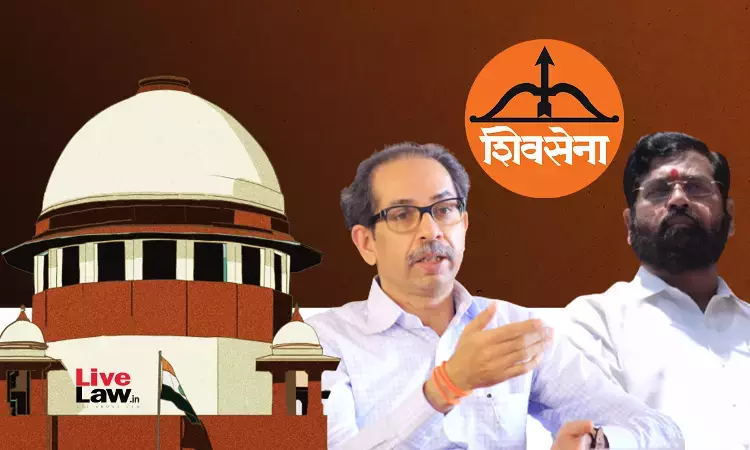
The Supreme Court of India received a petition from Shiv Sena leader Eknath Shinde, who argues that his decision to skip a scheduled party meeting was an exercise of personal conscience rather than an act of betrayal. Shinde contends that the party’s anti‑defection provisions, invoked by rival factions, exceed constitutional limits and infringe upon the rights of elected representatives. Legal analysts suggest that the case may set a precedent for how Indian political parties enforce internal discipline without overstepping judicial boundaries.
Within Maharashtra, the dispute has ignited a series of public rallies and press conferences, with senior party figures accusing each other of undermining the organization’s unity. The state government, led by a coalition partner, has remained cautiously neutral, fearing that a judicial verdict could destabilize the legislative majority. Meanwhile, opposition parties have seized the moment to question the legitimacy of Shiv Sena’s internal governance, framing the controversy as a symptom of broader erosion of democratic norms in regional politics.
Should the Supreme Court rule in favor of Shinde, the decision could embolden dissenting members across India’s party to challenge authoritarian structures, potentially leading to a wave of internal reforms. Conversely, a ruling that upholds the party’s disciplinary actions may consolidate power in the hands of entrenched leadership, reinforcing a model of centralized control that could influence future electoral strategies.
Comments 0