Reel-makers cannot be treated as journalists at protest sites, Delhi Police tells SC, says some protesters posed as media personnel for social media content
The Delhi Police told the Supreme Court that individuals making short videos at protest sites should not be treated as journalists. The police said some protesters have pretended to be media workers to post content on social platforms.
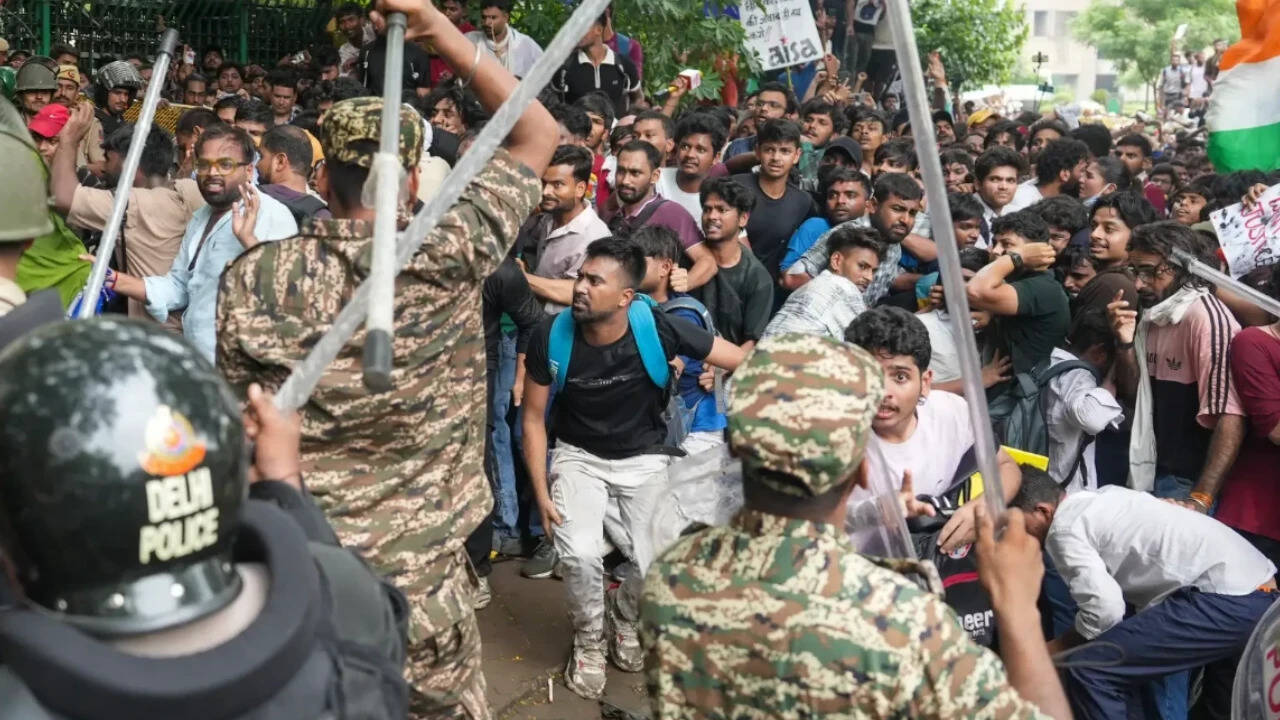
The Supreme Court heard arguments on whether people who record short videos at demonstrations can be classified as members of the press. Delhi Police representatives argued that the legal definition of a journalist includes a duty to report news objectively, a standard they say many reel‑makers do not meet. They pointed to instances where protest participants used cameras and smartphones to create content that amplified their own messages rather than providing independent coverage, thereby blurring the line between activism and journalism.
Police officials also highlighted cases in which individuals entered protest zones without proper accreditation, claiming media status to avoid police checks. According to the police, this practice creates security challenges and hampers the ability of genuine reporters to work safely. The court was asked to consider whether existing laws on media accreditation should be extended to cover digital content creators, or whether a new framework is needed to address the rapid growth of short‑form video platforms.
Legal experts noted that the issue reflects a broader debate about the role of social media in public discourse. They explained that while freedom of expression is protected, the right to gather and disseminate news carries responsibilities, especially in crowded or volatile situations. The outcome of the case could influence how law enforcement agencies across India handle media credentials at future demonstrations, affecting both activists and professional journalists.
Comments 0