Aviation Safety Accountability: Questions Loom Over the Boeing Fleet
An international aviation advocacy group has formally petitioned safety authorities regarding the absence of global directives for the Boeing 787 fleet. The inquiry follows mounting scrutiny over structural oversight protocols in the wake of recent high-profile commercial aviation incidents.
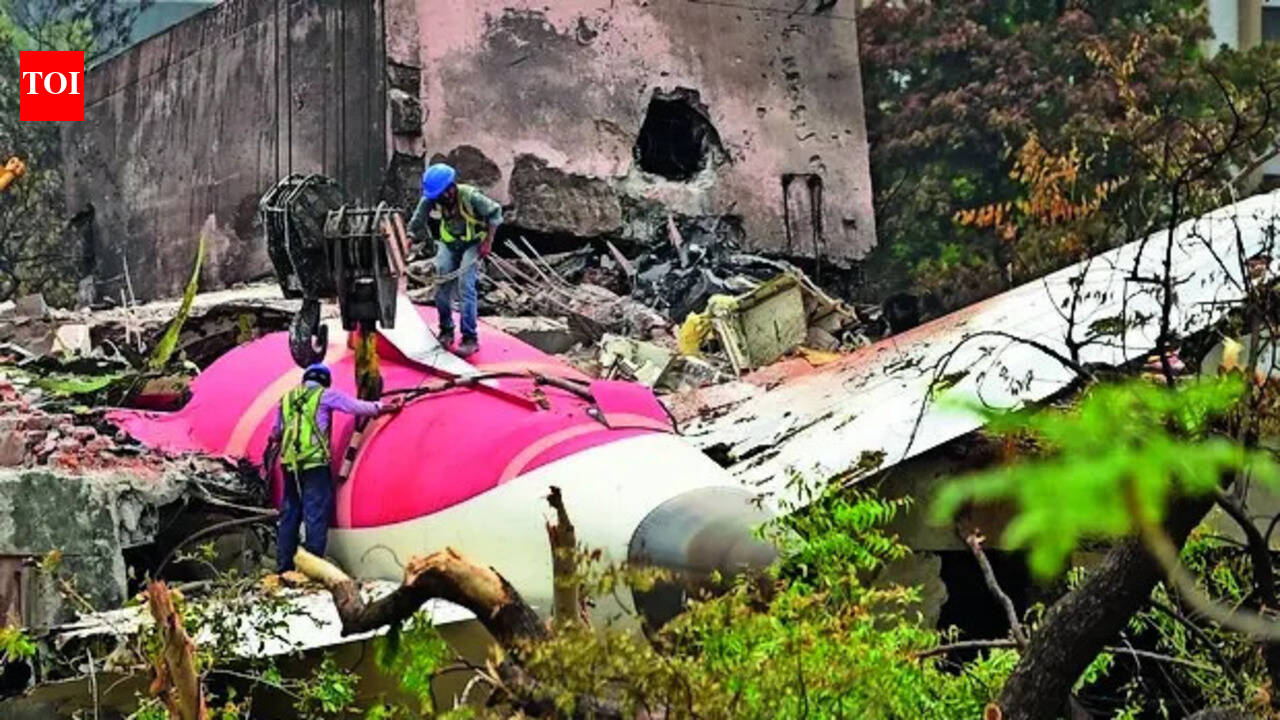
Regulatory compliance mechanisms face renewed international interrogation as aviation safety watchdogs demand transparency regarding long-haul aircraft airworthiness. The formal inquiry targets the oversight decisions of national air safety authorities concerning composite material fatigue and electrical systems on wide-body commercial airliners. Critics argue that regulatory bodies have adopted an overly permissive posture toward dominant manufacturers, prioritizing fleet continuity over rigorous preventive grounding. The friction exposes deep cultural and procedural divides between national regulatory agencies and independent safety coalitions. While domestic regulators assert that current maintenance schedules provide adequate safeguards, independent analysts point to recurring anomalies that suggest systemic vulnerability in the aircraft family. The debate centers on whether proactive safety directives should precede conclusive accident investigations or wait for definitive forensic confirmation. Passengers and commercial carriers navigate an environment of eroding confidence as regulatory credibility faces continuous stress tests. Should investigators uncover systemic design flaws, the financial liability and operational disruption for global airlines operating the wide-body fleet would dwarf previous grounding crises. The standoff places immense pressure on regulatory administrators to justify their risk assessment methodologies before legislative oversight committees.
Comments 0