Aviation Safety Protocols Tested Following Cargo Smoke Incident over Uttar Pradesh
An IndiGo flight operating between Agartala and New Delhi was forced into an emergency diversion to Lucknow following a cargo compartment smoke warning. Ground engineering teams initiated comprehensive diagnostic checks as all passengers disembarked safely.
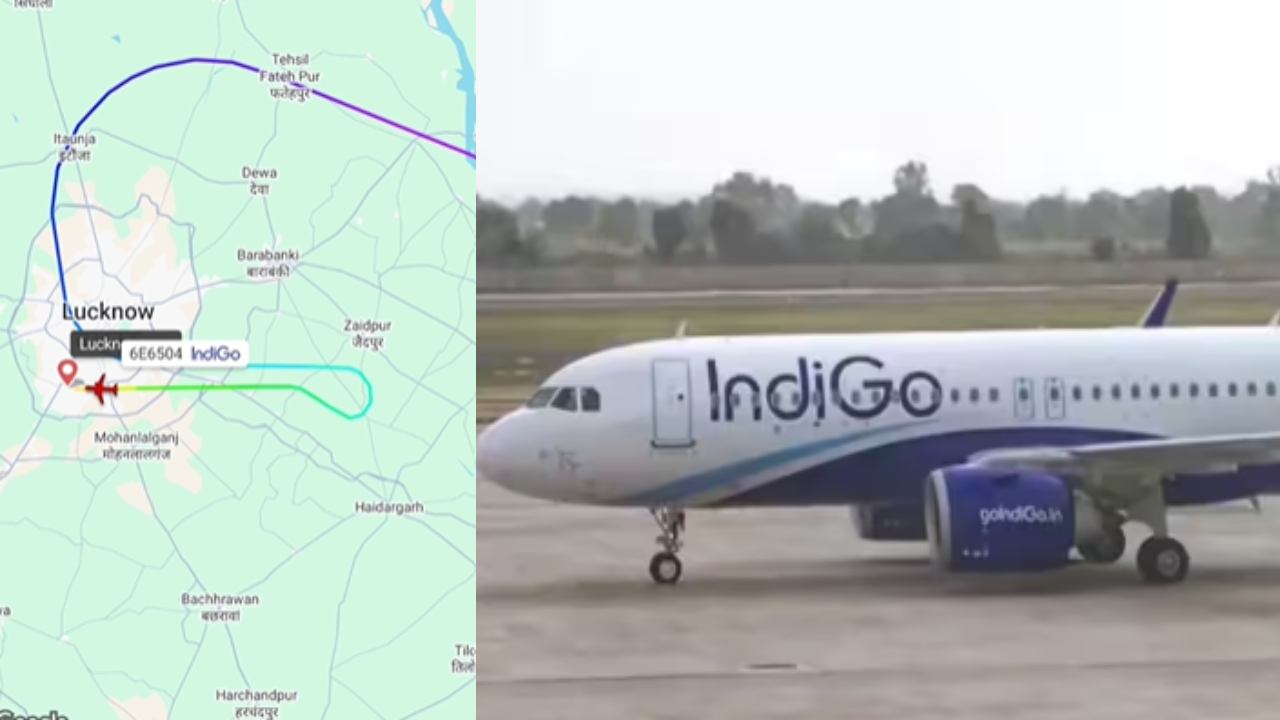
Commercial aviation safety margins are unforgiving, requiring immediate mechanical compliance whenever anomalous sensor readings register in critical aircraft zones. The unannounced diversion of a high-occupancy domestic carrier to Lucknow illustrates the operational disruption caused by suspected cargo bay anomalies. Flight deck crews executed standard emergency protocols, prioritizing immediate airspace clearance and passenger evacuation procedures over schedule adherence. This incident highlights persistent vulnerabilities within regional aviation maintenance supply chains and baggage screening protocols at secondary airports. Regulatory authorities face mounting pressure from civil aviation watchdogs to audit cargo loading procedures and verify the chemical compliance of transported goods. Airline operators absorb immediate financial losses from disrupted flight rotations, passenger accommodation costs, and unscheduled maintenance downtime.
The tangible fallout of such safety scares is a temporary erosion of passenger confidence on regional trunk routes, prompting tighter security inspections at tier-two departure terminals. Federal aviation investigators will scrutinize the aircraft's fire suppression systems to determine whether the warning was triggered by mechanical failure or illicit cargo. The overarching impact is a heavier regulatory burden on domestic carriers operating aging narrow-body fleets.
Comments 0