Bengaluru developers get more room to use premium FAR as Karnataka raises high-rise threshold from 21m to 24m, allowing buildings with 7-8 floors to fall below the revised limit
Karnataka has raised the height limit for high‑rise buildings from 21 metres to 24 metres, giving developers in Bengaluru more flexibility with premium floor‑area ratio (FAR). Buildings with seven to eight floors now fall below the new threshold.
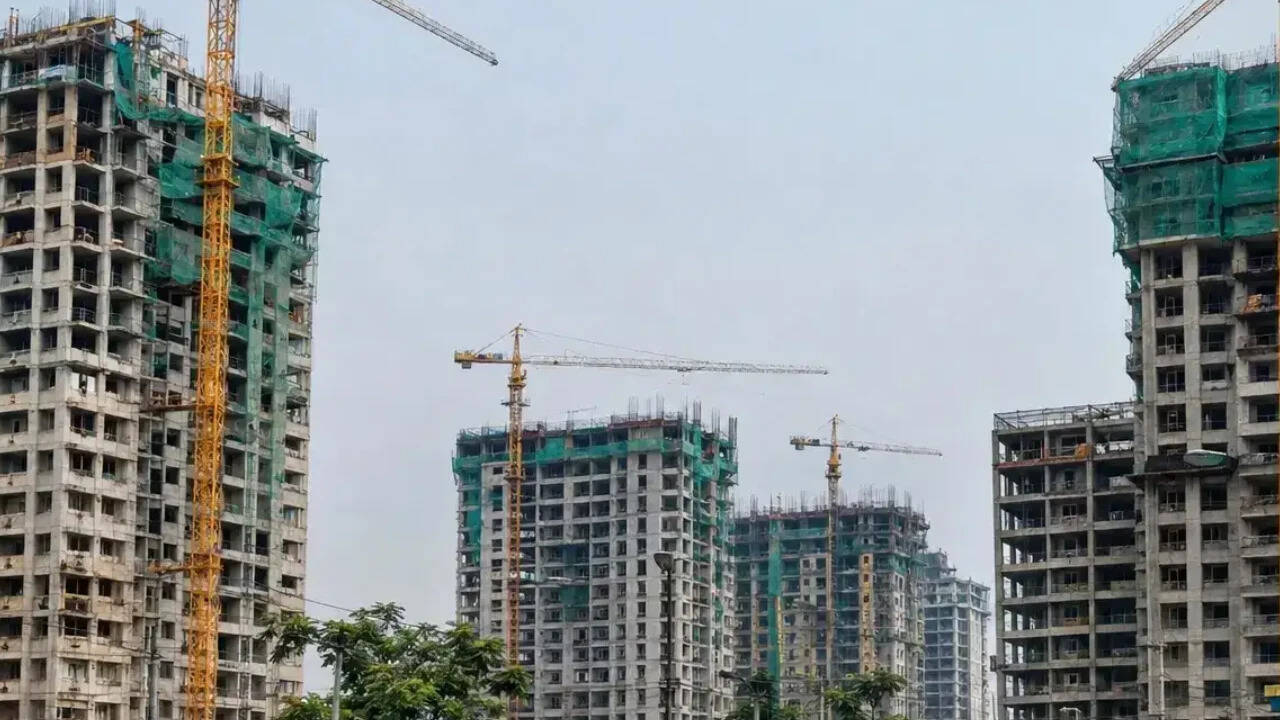
The Karnataka state government announced a revision of the high‑rise definition, increasing the height ceiling from 21 metres to 24 metres. This change directly affects the calculation of premium floor‑area ratio, a metric that determines how much additional built‑up area a developer can construct beyond the base allowance. By raising the limit, the authorities have created a larger window for projects that would previously have been classified as high‑rise and subject to higher premium charges.
Developers in Bengaluru are responding positively to the amendment because it allows them to design mid‑rise structures, typically seven to eight stories, without incurring the extra premium FAR costs. This can lead to lower overall project expenses, potentially translating into more affordable housing units or commercial spaces. Real‑estate analysts point out that the move could stimulate construction activity in the city’s expanding suburbs, where demand for mid‑rise buildings is growing due to limited land availability and rising population.
The policy shift also has implications for urban planning and infrastructure. By encouraging a greater number of mid‑rise developments, the city may see a more balanced distribution of density, reducing pressure on central business districts while still supporting economic growth. Planners will need to monitor how the new height limit interacts with existing zoning rules and transport networks to ensure that the benefits of reduced premium FAR are realized without compromising service delivery or environmental standards.
Comments 0