Bengaluru Taxi Operators Resist Green Fleet Expansion, Citing Livelihood Threats
Taxi operators in Bengaluru are demanding a cap on the number of electric vehicles entering the market, arguing that the rapid expansion of the Green SM fleet poses a direct threat to their livelihoods. This resistance highlights the growing friction between environmental policy goals and the economic realities of traditional transport workers.
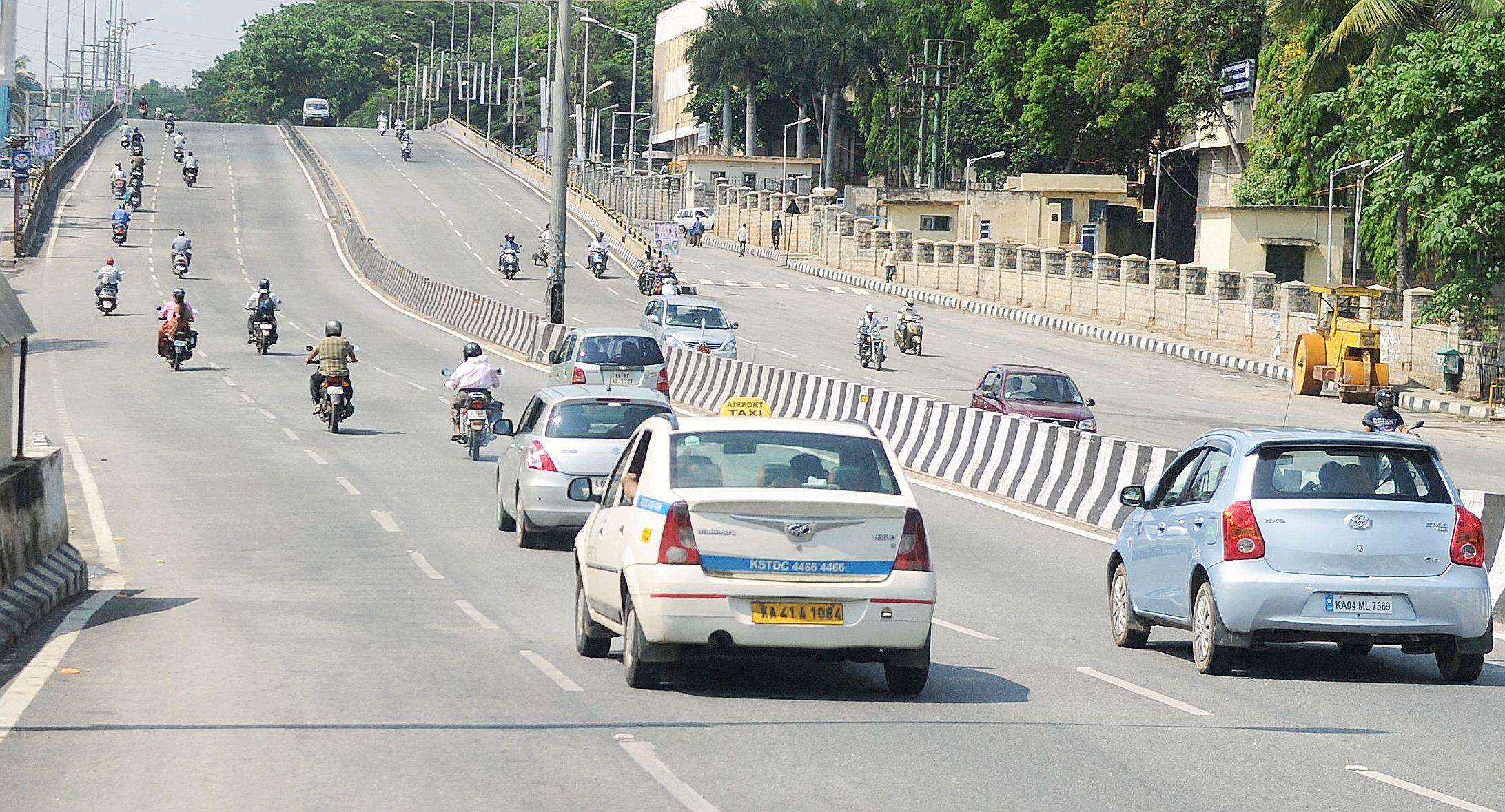
The concrete rupture in Bengaluru’s transport sector emerged as taxi operators organized to demand a cap on the number of electric vehicles (EVs) allowed to operate in the city. The operators, primarily representing the Green SM fleet, argued that the unchecked growth of EVs would undercut their earnings and destabilize the existing market dynamics. This move was a direct challenge to the city’s ambitious plans to transition to cleaner transport, signaling that the benefits of environmental policy are not evenly distributed and can create new forms of economic exclusion.
The underlying tension in this dispute reflects a broader conflict between the state’s climate goals and the immediate economic needs of its workforce. The transition to EVs is driven by the need to reduce air pollution and carbon emissions, but it also disrupts the traditional business models of taxi operators who have invested in internal combustion engine vehicles. This institutional friction is compounded by the lack of adequate support mechanisms for these workers, such as retraining programs or financial assistance for transitioning to EVs, leaving them to bear the brunt of the policy shift.
The tangible outcome of this resistance is a potential slowdown in the adoption of EVs in Bengaluru, as the government grapples with the social implications of its environmental policies. The operators’ demand for a cap on the fleet size could lead to a prolonged negotiation process, delaying the city’s progress towards its sustainability targets. This incident underscores the importance of inclusive policy design that accounts for the economic impact on vulnerable populations, ensuring that the transition to a green economy does not come at the cost of social stability.
Comments 0