Islamabad’s Diplomatic Thaw: A Minister Returns to Delhi for SCO Summit
Pakistan has designated a senior minister to attend the Shanghai Cooperation Organisation event in Delhi, marking the first high-level visit since the Op Sindoor conflict. This move signals a tentative de-escalation in bilateral tensions, though domestic political constraints in both nations continue to limit the depth of the engagement.
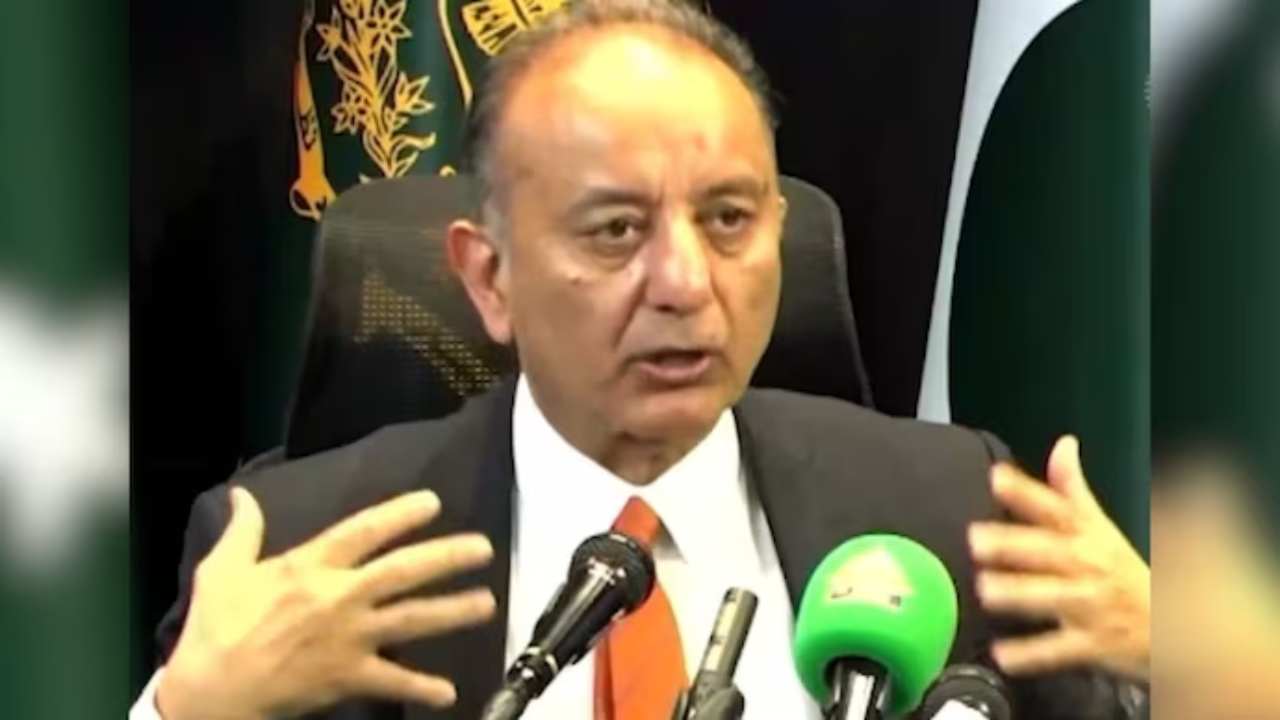
The decision by Islamabad to dispatch a cabinet minister to the SCO summit in New Delhi represents a significant, if cautious, shift in the diplomatic posture between India and Pakistan. Since the military confrontation known as Op Sindoor, official channels between the two nuclear-armed neighbors had remained largely silent, with communication restricted to low-level diplomatic notes. The presence of a senior Pakistani official in the Indian capital serves as a tangible indicator that the immediate threat of further escalation has receded, allowing for a return to multilateral forums where both nations are members. This is not a normalization of relations, but a strategic pause that permits both governments to manage the aftermath of the conflict without the constant pressure of imminent war.
The underlying tension remains palpable, driven by the domestic political imperatives in both countries. In India, the government must balance the narrative of military strength and national security with the economic benefits of regional stability. In Pakistan, the political is fractured, and any engagement with India is scrutinized for potential concessions that could be exploited by opposition parties. The SCO summit provides a neutral, multilateral stage where such interactions can occur without the direct bilateral spotlight, allowing both sides to save face while re-establishing the minimal diplomatic contact necessary for managing cross-border issues, including terrorism and trade.
The downstream consequences of this thaw are likely to be gradual and limited in the short term. While it does not guarantee a resolution to the core disputes that led to the conflict, it creates a channel for communication that can prevent minor incidents from spiraling into major crises. For the region, this stability is essential for economic integration and the flow of goods and people. However, the fragility of this arrangement means that any future provocation could quickly reverse these gains, leaving both nations in a state of perpetual low-level tension where diplomacy is a tool for management rather than resolution.
Comments 0