Bengaluru's Lake Blueprint: Ecology and Flood Control Take Center Stage
Residents of Bengaluru have prioritized ecological restoration and flood control in the new blueprint for the city's lake upkeep. This shift reflects a growing awareness of the critical role lakes play in managing urban flooding and preserving biodiversity in a rapidly expanding metropolis.
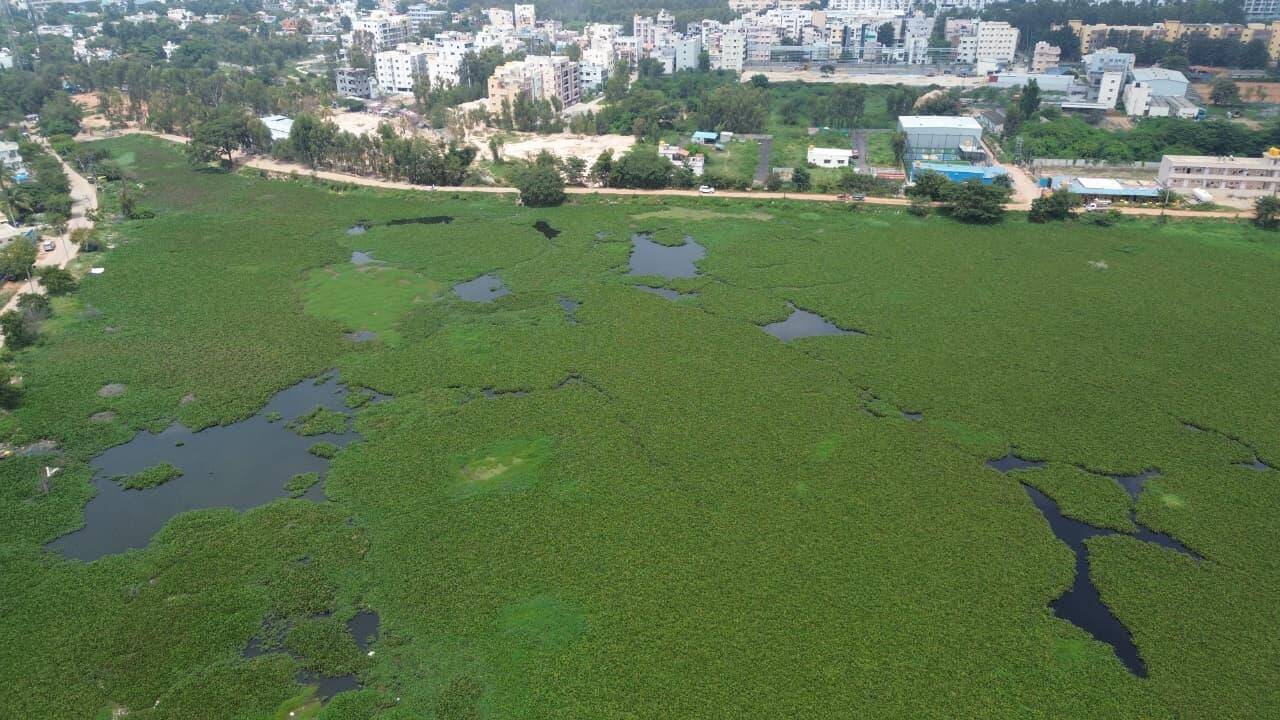
The concrete rupture is the formalization of a resident-driven blueprint for Bengaluru's lake management, with ecology and flood control identified as top priorities. This is a departure from previous approaches that often focused on aesthetic improvements or real estate development. The blueprint acknowledges the lakes as essential infrastructure for water management, a critical consideration in a city that frequently suffers from waterlogging and flooding. The residents' input signals a demand for sustainable urban planning that respects natural hydrological systems.
The underlying tension is between the city's rapid urbanization and the degradation of its natural water bodies. As Bengaluru expands, lakes are increasingly encroached upon, polluted, and drained, leading to a loss of capacity to absorb rainwater. The institutional friction lies in the lack of coordination between urban planning authorities and environmental agencies, resulting in a piecemeal approach to lake management. The blueprint seeks to address this by integrating ecological health with urban infrastructure, a complex task that requires significant investment and political will.
The downstream outcome is a potential reduction in flood risk and an improvement in the city's ecological resilience. The tangible benefit is a more livable urban environment, with cleaner water and reduced risk of waterborne diseases. In twelve months, the implementation of this blueprint will be a test case for other Indian cities facing similar challenges, potentially leading to a national shift in how urban water bodies are managed.
Comments 0