Bihar Sanitation Workers Threaten Statewide Strike
Sanitation workers in Bihar have issued a warning of a fresh statewide strike, escalating tensions over labor rights and working conditions. The threat of a halt in waste management services poses a direct public health risk and forces the state government to confront long-standing demands for fair compensation and safety measures.
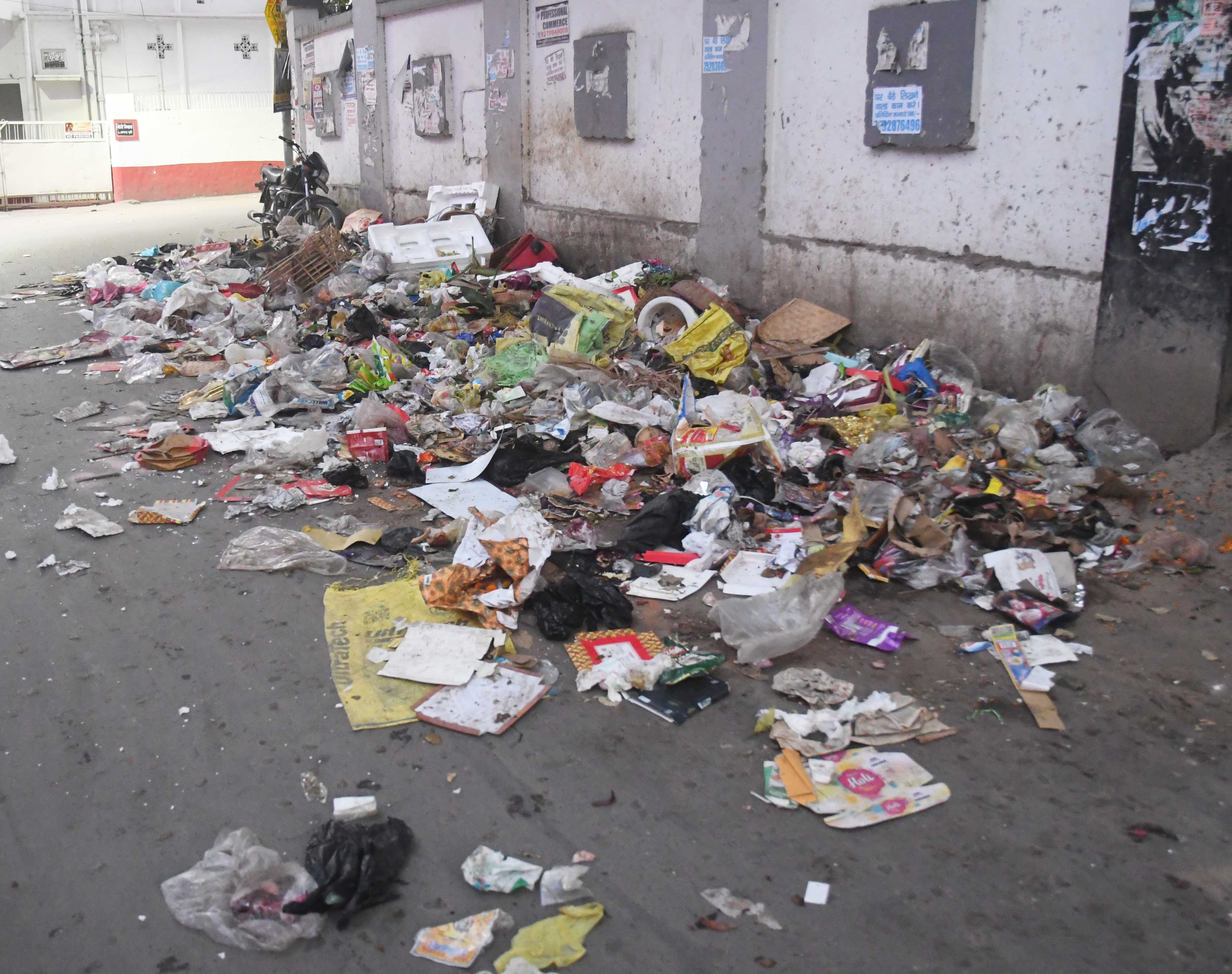
The sanitation sector in Bihar is on the verge of a complete standstill as workers threaten a statewide strike. This is not a routine labor dispute; it is a critical infrastructure crisis that threatens to leave the state's cities without essential waste management services. The workers are demanding better wages, safer working conditions, and social security benefits, issues that have been neglected for years. The threat of a strike is a powerful lever, given the immediate and visible impact of waste accumulation on public health and urban hygiene.
The underlying friction is a systemic failure to recognize the dignity and value of manual labor in the state's administrative hierarchy. Sanitation workers often operate in hazardous conditions with minimal protection, yet their contributions are essential to the functioning of any city. The government's reluctance to address these demands reflects a broader pattern of neglect towards informal and essential workers. The strike threat forces a confrontation between the state's fiscal constraints and its moral and legal obligations to protect the welfare of its most vulnerable employees.
The tangible outcome of a successful strike would be a public health emergency, with the risk of disease outbreaks and environmental degradation. It would also serve as a catalyst for a broader reevaluation of labor policies in the state, potentially leading to the formalization of the sanitation workforce and the introduction of standardized safety protocols. The incident highlights the precarious nature of essential services in India and the need for robust labor protections to ensure the stability of urban infrastructure.
Comments 0