Bilateral Diplomacy In The Shadows Of Himalayan Friction
Prime Minister Narendra Modi conveyed a firm diplomatic message to Chinese President Xi Jinping regarding mutual sensitivity to core territorial concerns. The high level dialogue signals a cautious recalibration of bilateral engagement following years of military standoff along the Line of Actual Control.
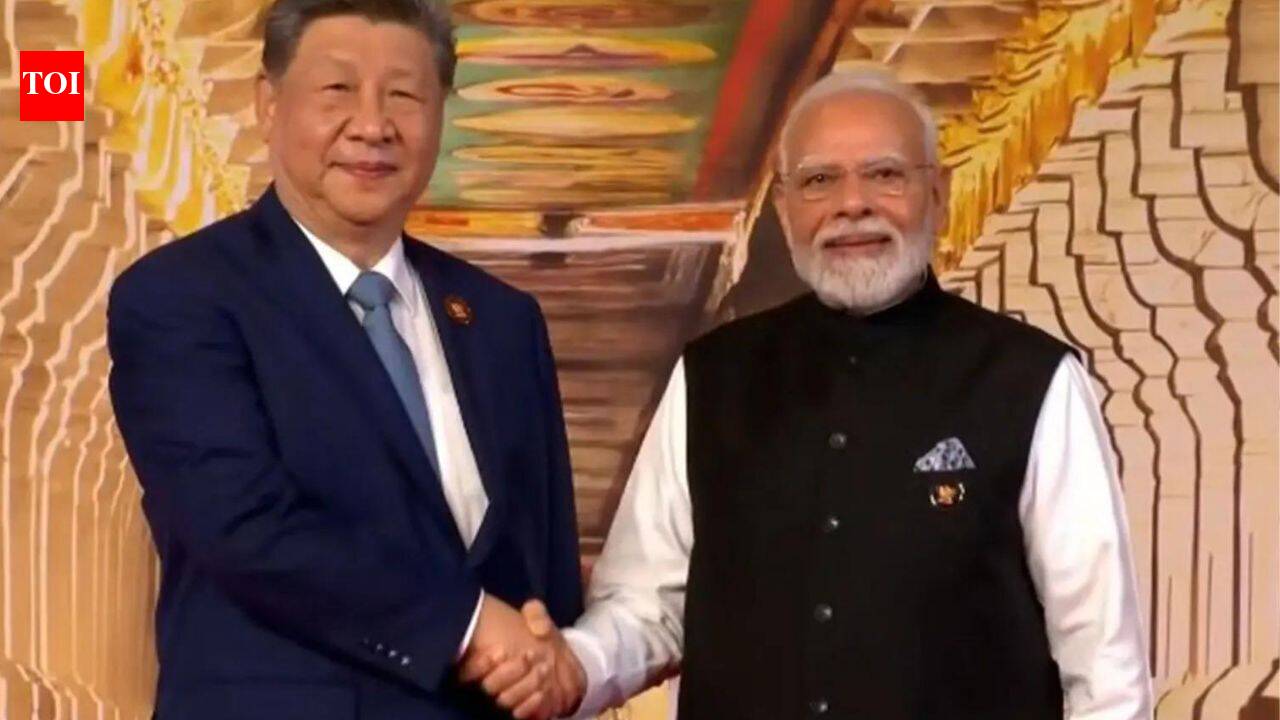
The diplomatic engagement between New Delhi and Beijing reached a critical juncture during recent high level exchanges, where the Indian leadership directly addressed unresolved border tensions. Prime Minister Modi emphasized that normalized diplomatic and economic relations remain entirely contingent upon mutual respect for sovereignty and territorial integrity. This rhetoric marks a calculated refusal to decouple economic cooperation from ongoing security disputes in the Himalayan frontier sectors. Institutional friction persists as military commanders struggle to disengage forces effectively from remaining friction points along the frontier. While trade volumes between the two economic giants remain high, India has systematically tightened regulatory scrutiny on Chinese foreign direct investment and critical infrastructure participation. Beijing faces a recalcitrant neighbor that refuses to accept unilateral changes to the status quo, complicating Chinese regional strategic calculations. The tangible outcome of this diplomatic recalibration is a cold, transactional coexistence rather than genuine detente. India continues to fortify its northern borders while simultaneously diversifying its manufacturing supply chains away from Chinese dependencies. This measured posture ensures that any future normalization will proceed strictly on Indian terms rather than through hasty diplomatic capitulation.
Comments 0