Bombay High Court Declares Unpaid Wages A Violation Of Fundamental Rights
The Bombay High Court ruled that withholding salaries from employees constitutes a direct violation of fundamental constitutional rights. This uncompromising stance strengthens worker protections against corporate financial defaults.
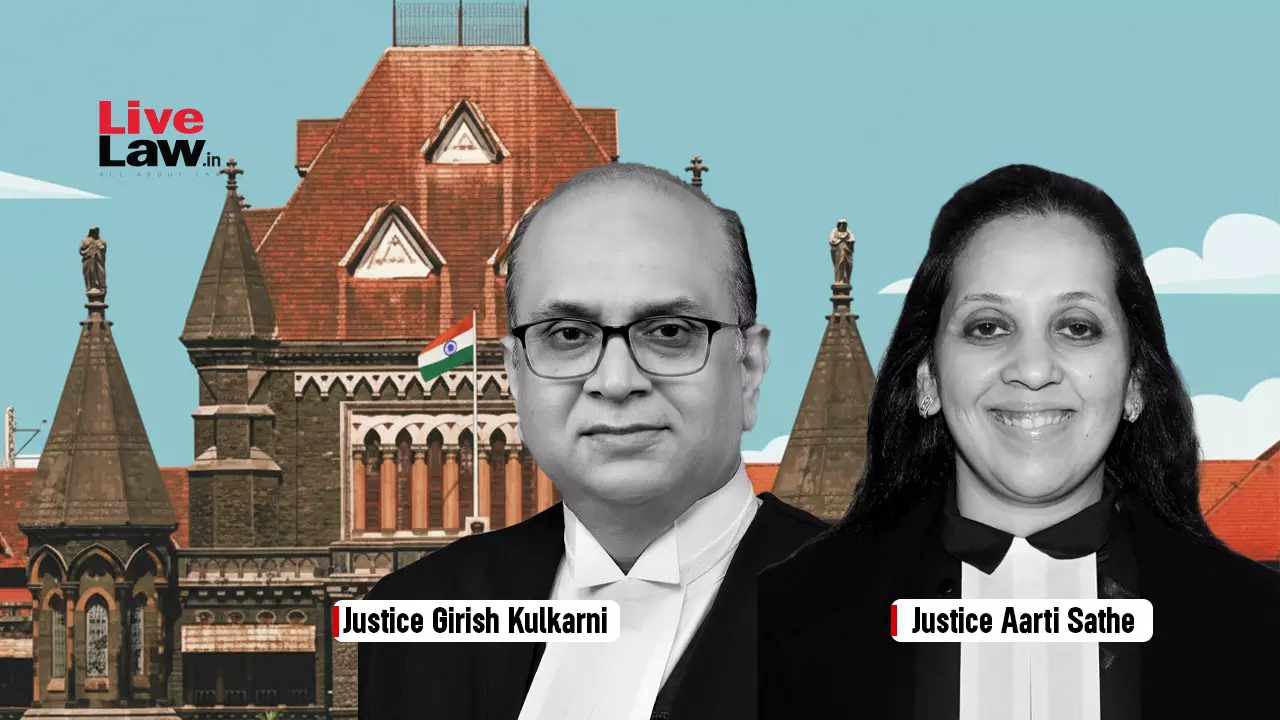
Labor rights received a robust judicial reinforcement when the Bombay High Court declared that the non-payment of salaries to employees violates Articles 14, 19(1)(g), and 21 of the Constitution. The court framed timely remuneration not merely as a contractual obligation between employer and employee, but as an essential component of the right to life and livelihood. This expansive interpretation elevates routine employment disputes into matters of constitutional infringement, granting workers direct access to extraordinary constitutional remedies when faced with corporate insolvency or bad faith wage withholding.
Corporate entities and industrial establishments frequently utilize protracted litigation and financial restructuring excuses to delay or deny worker compensation during economic downturns. Employees, trapped by systemic delays in civil courts, traditionally endured months of financial destitution while awaiting resolution. The petitioner union brought forth evidence of systematic wage deprivation that reduced workers to acute economic distress. The bench addressed this corporate malpractice by asserting that the state and judiciary have an affirmative duty to ensure that economic power dynamics do not reduce citizens to bonded labor through systematic starvation of wages.
Immediate consequences of this ruling will manifest in corporate boardrooms and industrial tribunals, where employers can no longer treat employee compensation as a flexible liability during liquidity crises. Companies facing insolvency must prioritize worker wage clearances over operational debts to avoid severe contempt proceedings. This judicial posture establishes a formidable deterrent against exploitative management practices, ensuring that the constitutional promise of dignified labor is actively enforced through judicial intervention.
Comments 0