Supreme Court Restricts Backward Quota Benefits Following Religious Conversion
The Supreme Court ruled that individuals who convert to other religions cannot automatically claim backward class reservation benefits. This judgment sets a definitive national precedent regarding affirmative action criteria across religious lines.
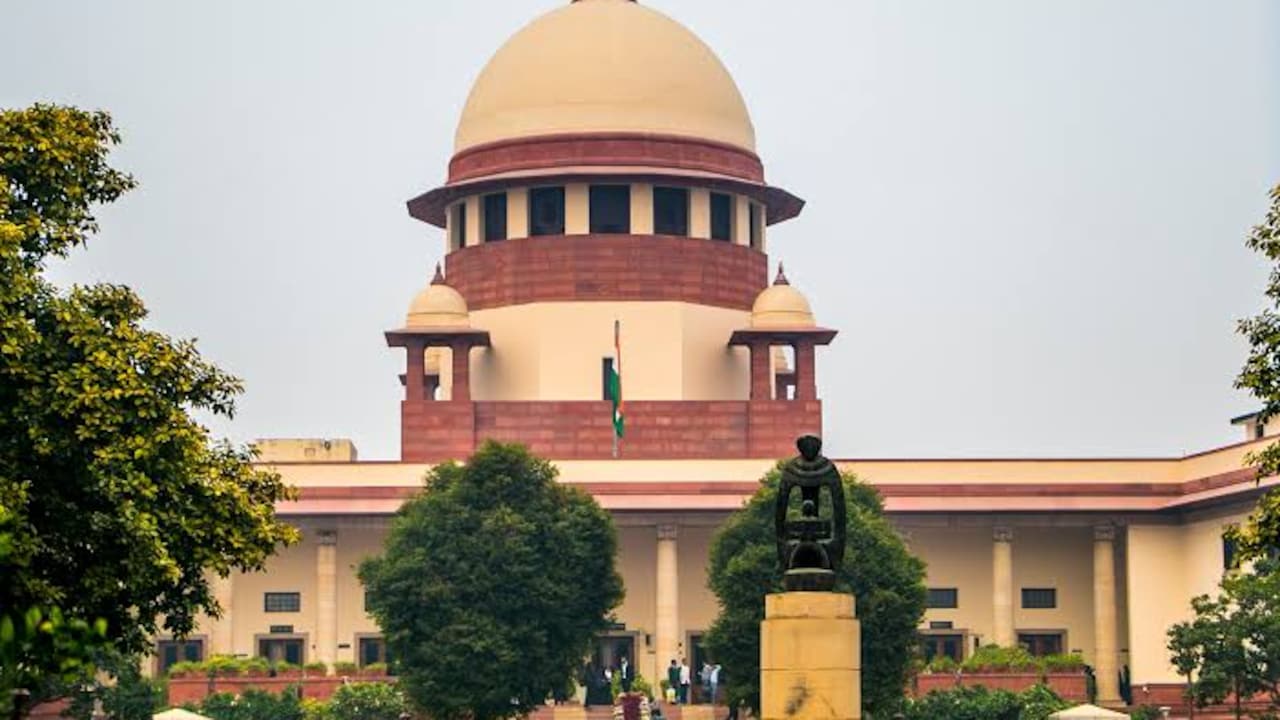
The highest court of the nation has delivered a definitive pronouncement regarding the complex intersection of social welfare schemes and religious identity. By upholding a previous high court ruling that invalidated a state government notification granting reservation benefits to Hindu converts to Islam, the bench established a strict constitutional boundary. Affirmative action policies, designed to ameliorate historical marginalization tied to specific social strata within the traditional hierarchy, do not automatically transfer across religious conversions. This decision addresses decades of administrative ambiguity that plagued state machinery tasked with verifying caste certificates for individuals who altered their religious affiliations.
Legal scholars and civil rights advocates have long debated whether socio-economic backwardness persists independently of religious conversion or remains inextricably bound to the social stigma of origin. The petitioners argued that economic deprivation and social exclusion do not vanish upon conversion, necessitating continued state support. Conversely, respondents maintained that statutory reservations are strictly tied to specific communities recognized under constitutional schedules, and altering one's faith removes the legal basis for such protections. The judiciary navigated this contentious terrain by prioritizing the literal framework of statutory definitions over sociological arguments, asserting that administrative bodies lack the authority to extend benefits outside explicitly designated parameters.
Downstream consequences of this ruling will force state governments to immediately review and overhaul their verification processes for welfare distribution. Individuals who previously secured employment or educational seats through converted status now face severe regulatory uncertainty regarding their continuing eligibility. Administrative tribunals will likely witness a surge in litigation challenging historical allocations, while political parties representing marginalized groups must recalibrate their legislative strategies to address the structural realities of converted populations without running afoul of this strict judicial interpretation.
Comments 0