Bombay High Court Dissolves Separate Housing Society Registrations in Prabhadevi Property Dispute
The high court invalidated the administrative division of a residential complex, forcing two distinct wings to merge their management structures. The decision establishes a major legal precedent for cooperative housing governance in urban Maharashtra.
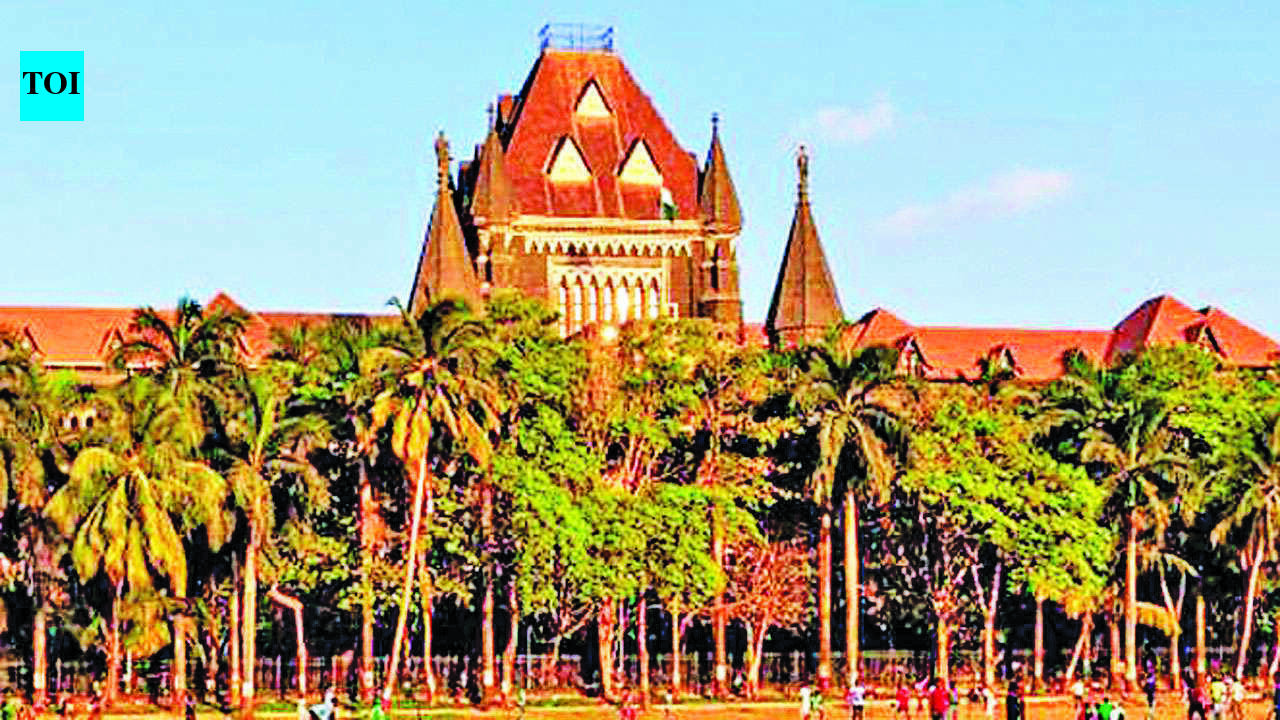
In a decisive ruling affecting urban real estate management, the Bombay High Court cancelled the separate cooperative society registration established for two distinct wings of a Prabhadevi residential building. The judgment dismantles attempts by subset residents to fracture common infrastructure and governance frameworks within single architectural complexes. Property developers and factional resident groups attempting to bypass unified cooperative laws now face severe judicial pushback. The litigation exposed deep administrative frictions regarding common amenity sharing, maintenance cost allocations, and property title integrity in dense urban developments. Developers frequently encourage fragmented management structures to expedite project closures or satisfy specific buyer factions, creating long-term operational chaos for property owners. The court stepped in to restore statutory coherence, ruling that architectural unity must be mirrored in unified cooperative governance. The immediate consequence leaves residents scrambling to reconstitute a single managing committee capable of handling unified property maintenance and financial accounting. Property values and resale transactions within the complex will face temporary friction while legal titles and administrative bodies are formally consolidated. Urban housing boards across the state are now reviewing similar fragmented developments to avoid parallel legal challenges.
Comments 0