Buenos Aires Achieves Hydrocarbon Independence as Shale Output Surges Past Conventional Yields
Unconventional formations now dominate domestic petroleum production following stringent economic overhauls. Households continue bearing the brunt of fiscal austerity while energy firms record massive capital inflows.
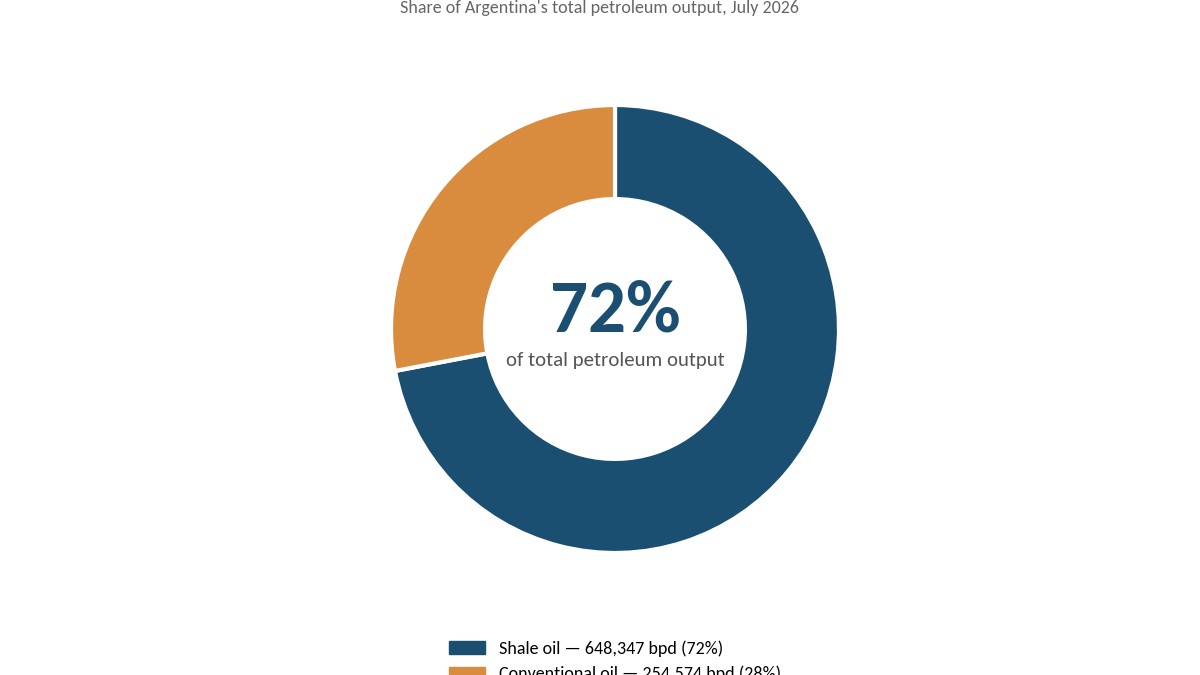
Vast shale reserves in the southern territories have completely transformed national production metrics over recent quarters. Accelerated capital expenditure by multinational energy corporations has unlocked difficult subterranean strata through advanced hydraulic fracturing techniques. Pipeline expansions are rapidly connecting isolated extraction fields directly to coastal export terminals. Labor unions and local provincial authorities remain deeply divided over the rapid pace of industrialization and environmental safeguards. Inflation stabilization policies enacted by the central administration have depressed domestic purchasing power, creating severe social friction. Protests regularly disrupt municipal transport networks as citizens demand relief from escalating utility tariffs. National trade balances are improving rapidly, shifting the country from a net energy importer to a significant global supplier. Foreign currency reserves are accumulating at central bank vaults, stabilizing the local currency against persistent external shocks. Long-term regional stability depends on whether government authorities can balance fiscal discipline with equitable domestic wealth distribution.
Comments 0