Cambodian Indigenous Communities Spearhead Conservation Efforts for Critically Endangered Siamese Crocodiles
Indigenous groups in Cambodia partnered with conservationists to protect one of the world's final wild populations of Siamese crocodiles. The initiative utilizes ancestral wetland management to safeguard a vital genetic reservoir against extinction.
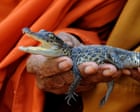
In the remote wetlands of Cambodia, indigenous Chong communities are leading an ambitious conservation campaign to rescue the Siamese crocodile from the brink of extinction. Once believed entirely eradicated by overfishing and habitat destruction in the nineteen-nineties, remnant wild populations were discovered in protected river basins. Local villagers now serve as frontline wardens, monitoring nesting sites and preventing illegal poaching in exchange for sustainable livelihood support. This community-led conservation model challenges traditional top-down environmental management by empowering local populations who share habitats with apex predators. Economic incentives remain fragile, however, as illegal logging and large-scale agricultural concessions threaten to fragment the delicate wetland corridors essential for the reptiles' survival. Government ministries often struggle to balance rural development projects with strict biodiversity protection in remote provinces. The success of this initiative establishes a blueprint for preserving endangered species through indigenous land stewardship rather than state-enforced exclusion zones. If the wetland sanctuary remains undisturbed, the crocodile population can serve as a genetic bank for future reintroduction programs across Southeast Asia. The project demonstrates that community engagement yields superior ecological outcomes compared to militarized conservation strategies.
Comments 0