CBI Arrests Two ED Officials in Rs 5 Lakh Bribery Trap
The Central Bureau of Investigation has arrested two Enforcement Directorate officials caught in a trap demanding a Rs 5 lakh bribe. This incident exposes the deep-seated corruption within India's financial enforcement agencies, undermining their credibility and the rule of law.
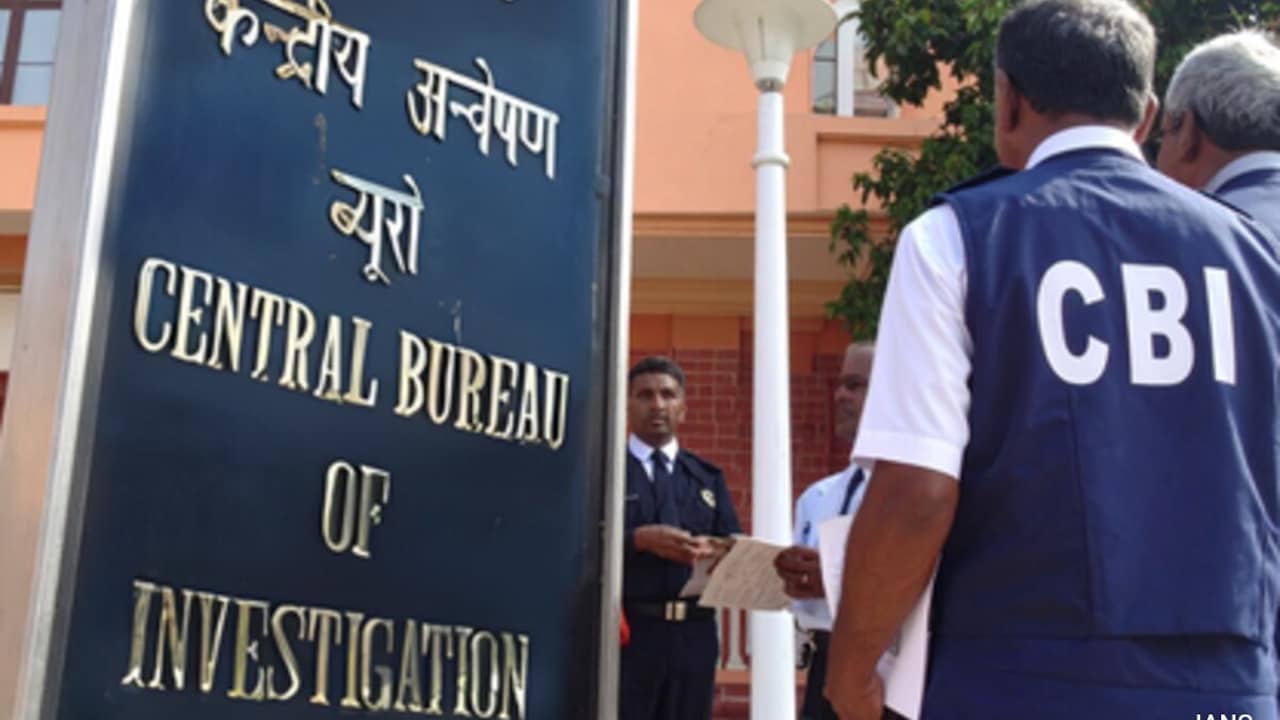
The concrete rupture in India's anti-corruption efforts was marked by the CBI's arrest of two ED officials caught red-handed in a bribery trap. The officials, including Manoj Dwivedi, were allegedly demanding and accepting Rs 5 lakh to extend favor to a complainant's father in a financial case. This incident is a stark reminder of the corruption that persists within the very agencies tasked with enforcing financial laws. The immediate shockwave is felt in the public's perception of these institutions, as the arrest of high-ranking officials raises questions about the extent of corruption within the ED. The trap operation by the CBI demonstrates a willingness to hold its own colleagues accountable, but it also highlights the systemic issues that allow such practices to continue.
The underlying tension is rooted in the complex relationship between the CBI and the ED, two agencies that often operate in overlapping jurisdictions. The friction between these institutions is exacerbated by the lack of clear guidelines and oversight, which creates opportunities for corruption. The institutional memory of the ED is being tested, as the arrest of its own officials raises questions about the integrity of its operations. The tension is not merely procedural; it is a reflection of the broader challenges in India's anti-corruption framework, where the agencies meant to combat corruption are themselves implicated in corrupt practices.
The downstream consequences of this incident are significant for the credibility of India's financial enforcement agencies. The arrest of ED officials could lead to a loss of public trust in these institutions, potentially affecting their ability to carry out their mandate. The tangible outcome is a renewed focus on the need for reform in the anti-corruption framework, including the establishment of independent oversight mechanisms. The casualties are the victims of financial crimes, who may lose faith in the justice system. The incident serves as a warning that the fight against corruption is an ongoing battle, and that the institutions tasked with this fight must be held to the highest standards of integrity.
Comments 0