Chandigarh's Air Quality Deteriorates as AQI Rises to Moderate Levels
Air quality in Chandigarh has slipped to moderate levels with an AQI of 117, raising concerns about the health impacts on residents. This deterioration highlights the persistent challenge of managing urban pollution in the region, particularly during the winter months when meteorological conditions exacerbate particulate matter accumulation.
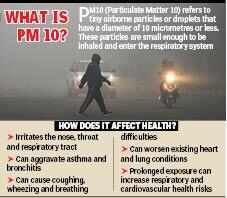
The rise in Chandigarh's Air Quality Index to 117, categorizing the air as moderate, represents a tangible deterioration in the living conditions of its residents. This shift is not merely a statistical fluctuation but a concrete rupture in the daily health of the city's inhabitants, particularly those with respiratory conditions. The immediate shockwave is felt in the form of increased respiratory ailments and a general sense of unease among the population, who are forced to adopt protective measures such as wearing masks and limiting outdoor activities. The moderate classification serves as a warning that the situation could worsen if no immediate action is taken to mitigate the sources of pollution.
The underlying tension in this issue is rooted in the structural challenges of urban planning and industrial regulation in the region. Chandigarh, as a planned city, has historically managed to maintain better air quality compared to other metropolitan areas, but the increasing industrial activity and vehicular emissions are straining this balance. The institutional friction arises from the lack of a cohesive strategy to address the multiple sources of pollution, including construction dust, vehicle exhaust, and industrial emissions. The absence of a unified regulatory framework allows these pollutants to accumulate, particularly during the winter months when temperature inversions trap the particles close to the ground.
The downstream casualties of this air quality deterioration include a rise in healthcare costs due to increased respiratory illnesses and a potential impact on the city's reputation as a livable urban center. The tangible outcome is a call for stricter enforcement of environmental regulations and the implementation of green initiatives to reduce the carbon footprint of the city. In the coming year, this episode will likely serve as a catalyst for a more aggressive approach to air quality management, potentially leading to the introduction of new technologies and policies aimed at achieving cleaner air and a healthier population.
Comments 0