Chandrasekhar's Mockery of China's Tech Espionage Tactics
Rajeev Chandrasekhar has ridiculed China's alleged use of honeytrapping to spy on Nvidia, contrasting it with India's commitment to ethical R&D. This commentary highlights the growing ethical divide in global technology acquisition and the strategic importance of maintaining a clean reputation in the AI race.
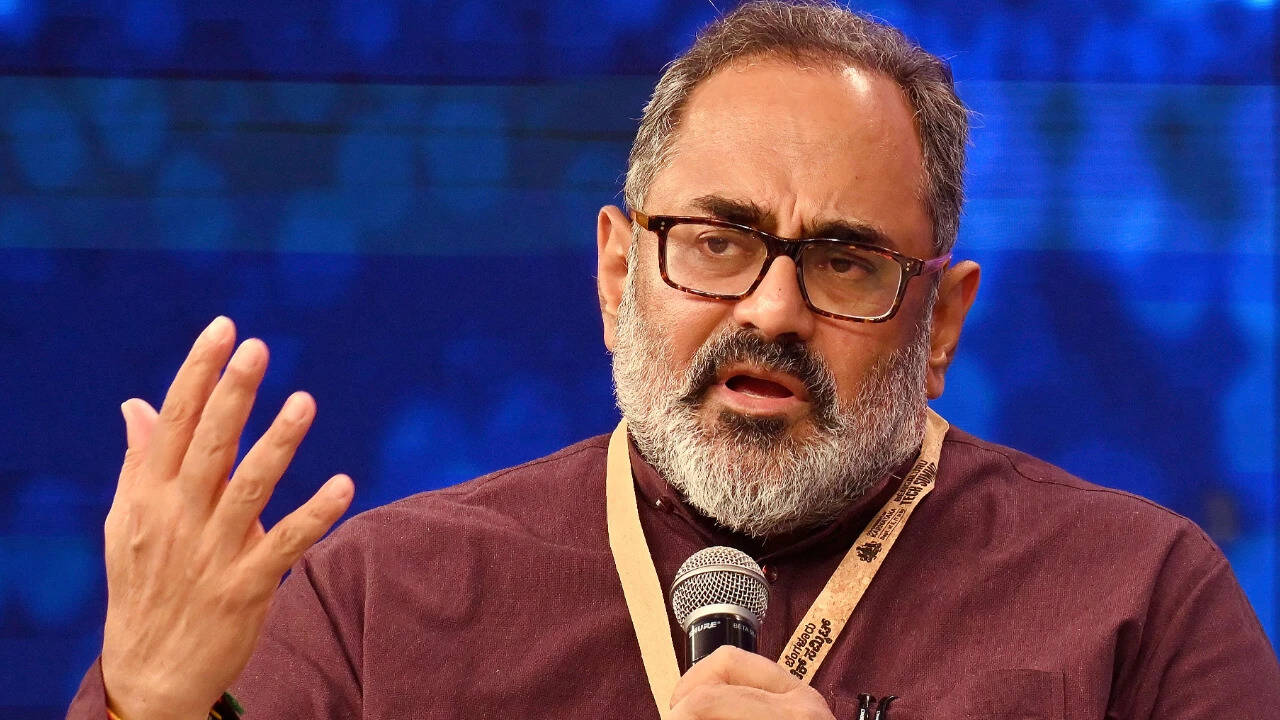
The concrete rupture is the public criticism by Rajeev Chandrasekhar of China's alleged espionage practices, specifically the honeytrapping of Nvidia's CEO Jensen Huang. By mocking China's easier way of acquiring technology, Chandrasekhar is drawing a sharp line between India's approach to R&D and China's more aggressive, often unethical, methods. This is a significant moment in the global technology race, as it highlights the importance of ethical standards and the long-term benefits of building a strong domestic innovation ecosystem rather than relying on theft and espionage.
The underlying tension is between the desire for rapid technological advancement and the need to maintain ethical and legal integrity. China's approach has allowed it to leapfrog in certain areas of technology, but it has also damaged its reputation and led to increased scrutiny and sanctions from the US and other Western countries. India, on the other hand, is trying to build a reputation as a trustworthy partner in the global technology ecosystem, which is for attracting foreign investment and collaboration. This friction is evident in the reactions of the tech industry, which is increasingly concerned about the security risks associated with Chinese technology and the need for a more secure, ethical supply chain.
The downstream consequences include a shift in global technology alliances and a greater emphasis on domestic R&D in India. By highlighting the ethical divide, Chandrasekhar is encouraging Indian policymakers and industry leaders to invest more in their own innovation capabilities and to be more cautious in their dealings with Chinese technology companies. This could lead to a more robust and secure Indian tech ecosystem, but it will also require significant investment and a long-term commitment to building a strong domestic talent pool.
Comments 0