The IEA's Electrification Push at COP31 Amid Energy Crisis
The International Energy Agency is advocating for accelerated electrification at the COP31 summit in Antalya, Turkey, as the world grapples with an unprecedented energy crisis. This push reflects a growing consensus that the transition to electric power is essential for both climate goals and energy security.
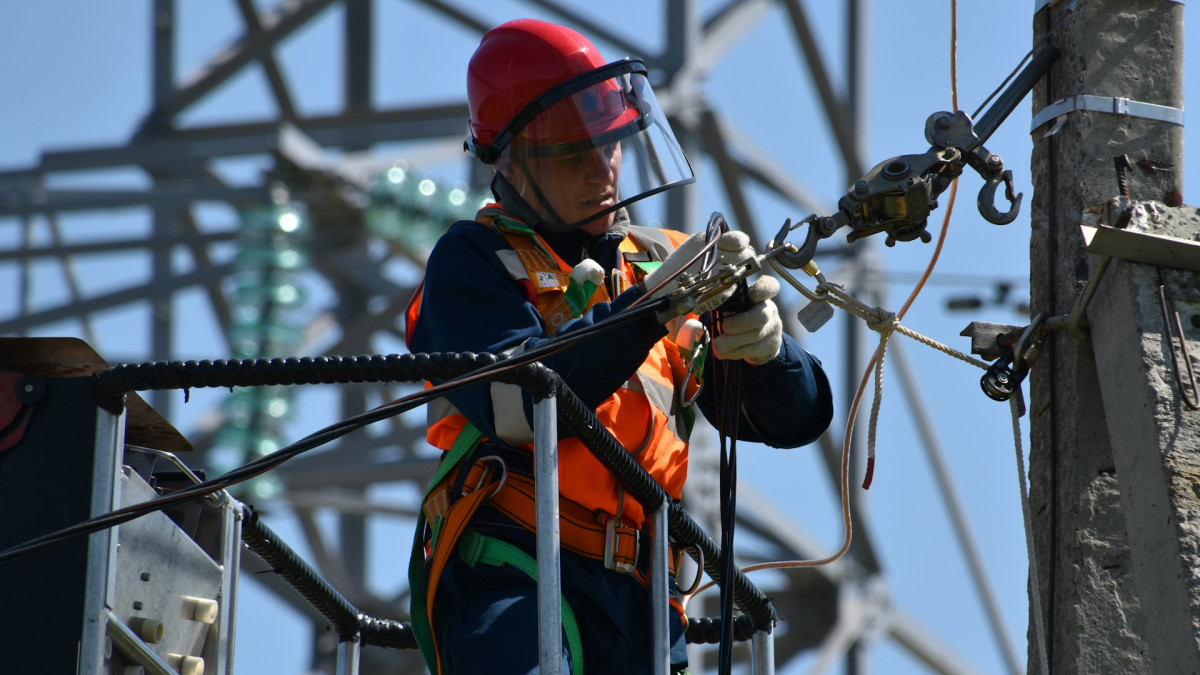
The concrete rupture is the IEA's formal endorsement of faster and wider electrification at the COP31 climate summit. This is a significant shift in the agency's stance, reflecting the urgent need to address the global energy crisis and the climate emergency. By pushing for electrification, the IEA is acknowledging that the current energy system is unsustainable and that a rapid transition to electric power is necessary to reduce emissions and ensure energy security. This is a major step forward in the global effort to combat climate change and build a more resilient energy system.
The underlying tension is between the short-term costs of electrification and the long-term benefits of a cleaner, more secure energy system. Many countries are struggling with high energy prices and supply shortages, which makes the transition to electric power seem even more challenging. However, the IEA's push highlights the fact that the cost of inaction is even higher, as the climate crisis and energy insecurity will only worsen over time. This friction is evident in the reactions of policymakers, who are grappling with the need to balance economic growth with environmental responsibility and energy security.
The downstream consequences include a significant increase in investment in electric vehicles, renewable energy, and grid infrastructure. The IEA's endorsement will likely accelerate the adoption of electric power in many countries, leading to a reduction in fossil fuel consumption and a decrease in greenhouse gas emissions. It will also create new opportunities for businesses and industries that are involved in the production and distribution of electric power. However, it will also require significant changes in policy and regulation, as well as a major investment in infrastructure and technology.
Comments 0