Char Dham Helicopter Operators Threaten to Halt Pilgrimage Flights Over Twin‑Pilot Rule
Helicopter service providers for the Char Dham circuit warned they may suspend operations unless the new twin‑pilot mandate is reconsidered. The standoff threatens a seasonal surge in pilgrimage tourism and regional revenue streams.
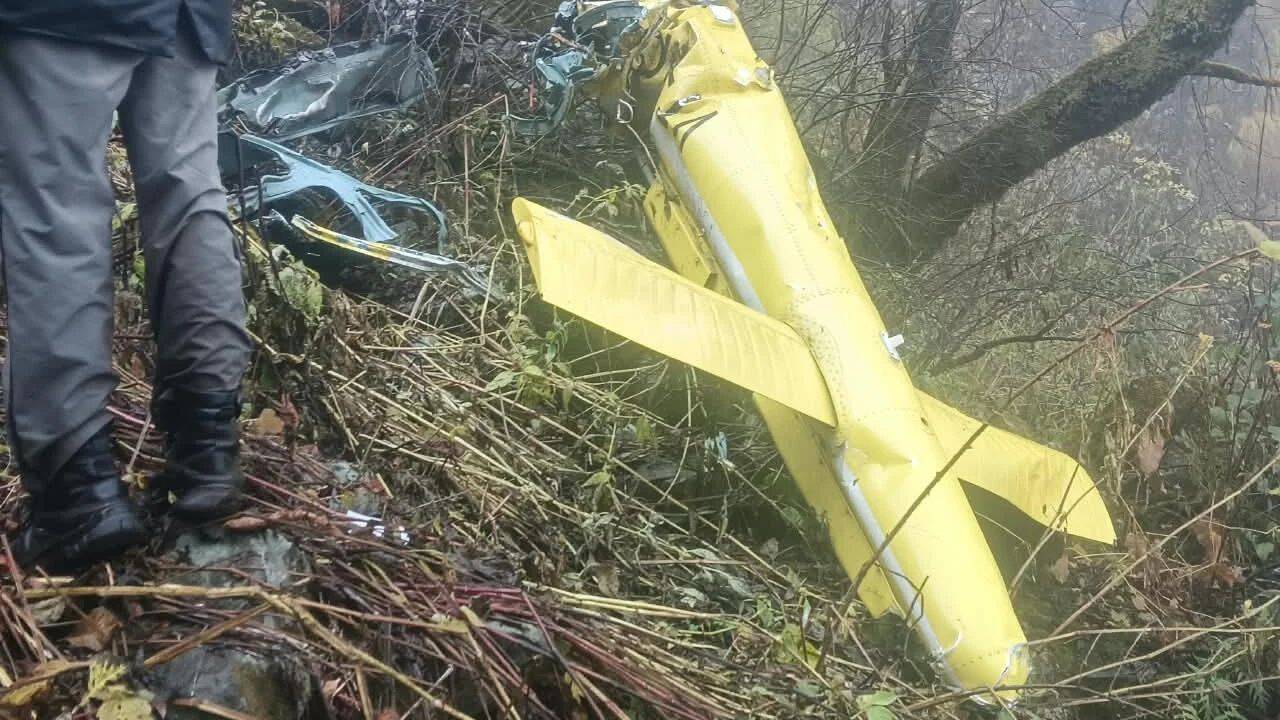
The Directorate General of Civil Aviation (DGCA) issued a directive mandating that all helicopter flights to the Char Dham pilgrimage sites operate with two pilots from Monday onward, citing safety considerations. Operators, citing the scarcity of qualified co‑pilots and the added operational costs, responded with a collective threat to suspend services if the rule is enforced without a transition period. The potential suspension coincides with the peak pilgrimage season, when thousands of devotees travel to the sacred shrines, generating significant income for local economies and ancillary service providers.
The dispute places the Ministry of Civil Aviation in a delicate position, balancing safety imperatives against the economic fallout for the Uttarakhand region. Pilgrimage tourism accounts for a substantial share of the state's revenue, supporting hospitality, transport, and retail sectors. A prolonged flight halt could depress visitor numbers, strain local livelihoods, and prompt political pressure from state representatives seeking to protect their constituencies. The operators also argue that the rule could reduce flight frequency, leading to longer wait times and overcrowding at the limited landing sites.
In the broader context, the episode may influence regulatory approaches to aviation safety across India, prompting a reassessment of how new standards are phased in for niche sectors. If a compromise is reached, it could set a precedent for collaborative rule‑making involving industry stakeholders. Conversely, a hardline implementation could accelerate the adoption of advanced training programmes, ultimately enhancing the safety record of high‑altitude helicopter operations, albeit at the cost of short‑term economic disruption.
Comments 0