Chief Justice Forms Committee to Safeguard Judges’ Mental Health
The Supreme Court, under Chief Justice Surya Kant, instituted a Judicial Well‑Being Committee tasked with addressing mental‑health concerns among the bench. The initiative marks a formal acknowledgment of occupational stress within India’s highest court.
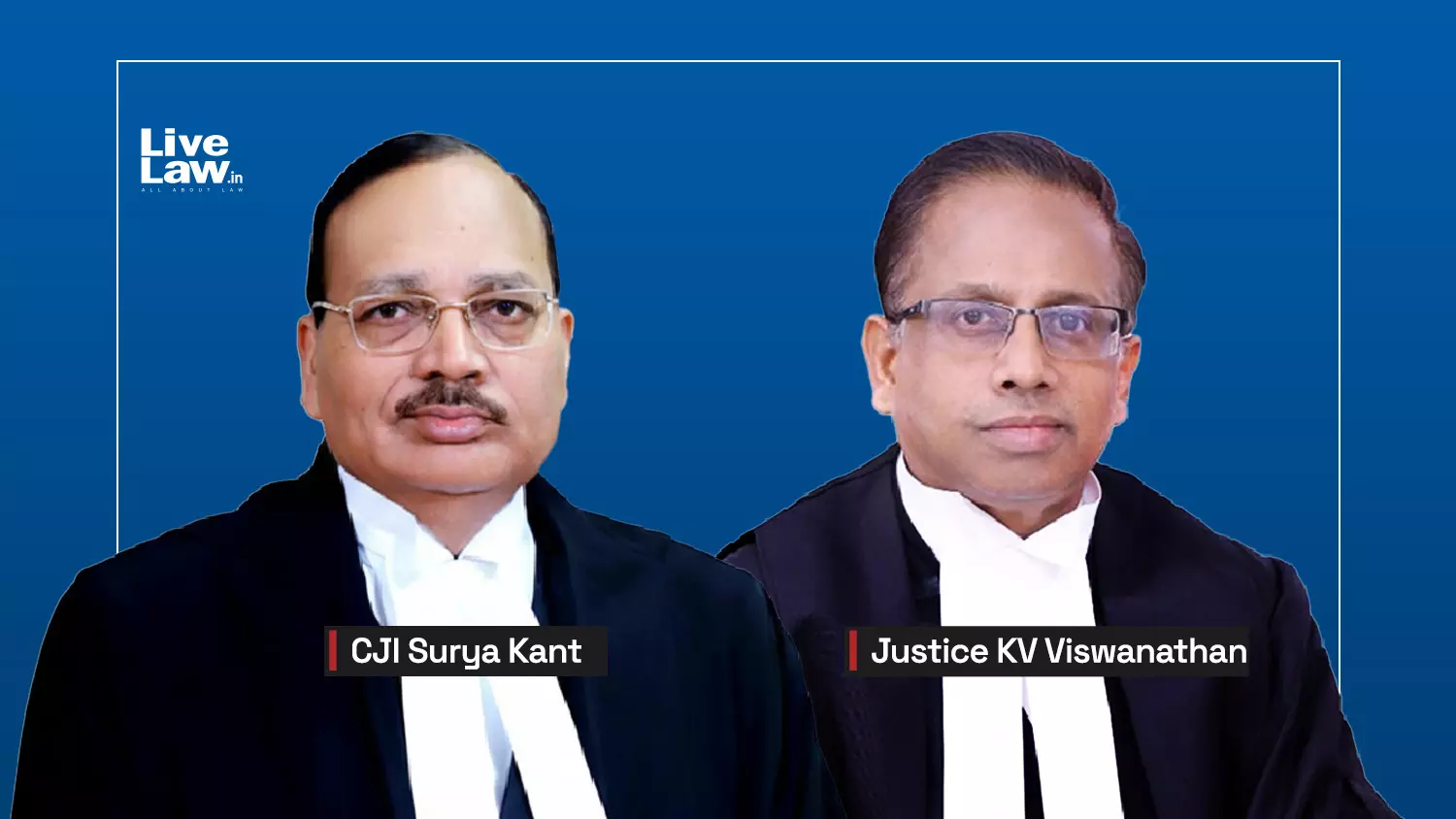
The concrete rupture was signalled by an official press release announcing the creation of a dedicated committee to monitor and improve the psychological welfare of judges. The body, chaired by a senior justice and supported by mental‑health professionals, will develop guidelines for workload management, provide counseling services, and recommend reforms to mitigate burnout. Its formation follows a series of high‑profile resignations and reports of anxiety among lower‑court judges, prompting the apex court to act decisively.
Underlying tension arises from the demanding nature of judicial duties, which often involve prolonged deliberations, exposure to distressing case material, and pressures from litigants and the media. Critics have long argued that the judiciary operates without adequate support structures, leading to a hidden crisis that threatens the quality of jurisprudence. The committee’s mandate seeks to bridge this gap, yet some legal scholars caution that without statutory backing, its recommendations may remain advisory rather than enforceable.
Downstream casualties include the potential for a more resilient judiciary capable of delivering timely and balanced judgments, thereby enhancing public confidence in the legal system. Conversely, failure to implement substantive reforms could exacerbate attrition rates, burdening the court with vacancies and delays. The initiative also sets a precedent for other public institutions to examine mental‑health provisions, possibly catalysing a broader governmental focus on employee well‑being over the coming year.
Comments 0