Judicial Intervention Secures Release of Detained Lawyers in Capital Protest
The Supreme Court intervened to secure the immediate release of legal practitioners detained by law enforcement during a contentious protest march. The development underscores the friction between institutional rights to assembly and executive security protocols.
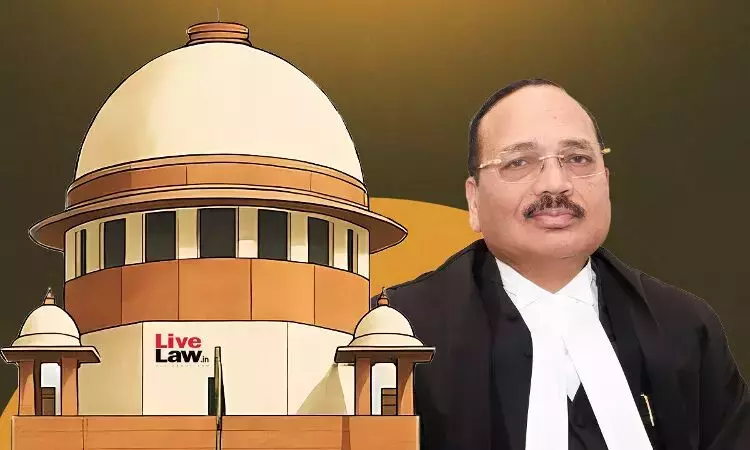
The chambers of the highest judiciary became the arena for an urgent plea regarding the liberty of advocates who took to the streets to voice institutional grievances. Law enforcement agencies had detained the practitioners during a march that authorities deemed a violation of public order mandates in the national capital. This confrontation brought into sharp relief the fragile equilibrium governing civic dissent and the state enforcement apparatus within urban centers.
Legal scholars and bar associations immediately mobilized to contest the legality of the detentions, arguing that the suppression of peaceful professional assemblies strikes at the heart of constitutional protections. The executive branch defended the police action by citing imperative security concerns and the necessity of maintaining traffic flow in vital arterial zones. This ideological standoff reveals the widening gulf between judicial ideals of free expression and executive preferences for absolute public order.
The swift judicial directive prevented a prolonged standoff between the legal fraternity and the police department, yet it left underlying systemic questions unresolved. Practitioners vow to continue pressing their demands through institutional channels, while law enforcement agencies maintain heightened vigilance around demonstration hubs. The episode serves as a clear indicator of the growing institutional friction surrounding public protest rights.
Comments 0