Climate Summit Proceedings Intensify as Global Leaders Confront Immediate Environmental Realities
International delegates gathered at the climate summit faced urgent calls to accelerate mitigation finance as leaders warned that ecological breakdown is already underway. The proceedings highlight deep divisions between industrialized economies and developing nations regarding accountability and funding delivery.
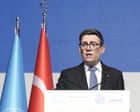
The climate conference entered a decisive phase as prominent global figures took the podium to denounce incremental policy responses in the face of accelerating environmental disruption. Speeches centered on the tangible economic and humanitarian toll of extreme weather events across both hemispheres, shifting the rhetoric from future risk management to active crisis containment. Critics within the assembly argued that current national emission reduction pledges remain entirely inadequate to prevent catastrophic global temperature rises.
The underlying diplomatic friction stems from persistent disputes over climate reparations, technology transfer, and the operationalization of loss-and-damage funds promised by wealthy nations. Developing countries reiterated that historical emitters must bear the financial brunt of adaptation projects, while industrialized counterparts pushed for expanded private sector financing models. This ideological impasse threatens to stall consensus on binding financial commitments required for vulnerable frontline states.
The concrete outcome of these ongoing negotiations will determine national budgetary allocations for green transition projects and carbon pricing mechanisms over the coming fiscal year. Industrial sectors worldwide are bracing for stricter regulatory compliance frameworks as governments attempt to align domestic legislation with international summit declarations. The systemic pressure on corporate balance sheets to decarbonize will consequently accelerate market consolidation around clean energy technologies.
Comments 0