COP31 Collapse: The First Climate Accord Failure Since 2009
The Conference of the Parties has concluded without a binding agreement on energy transition, marking a historic rupture in global climate diplomacy. Developing nations walked out over insufficient financial commitments, leaving a vacuum in the international regulatory framework.
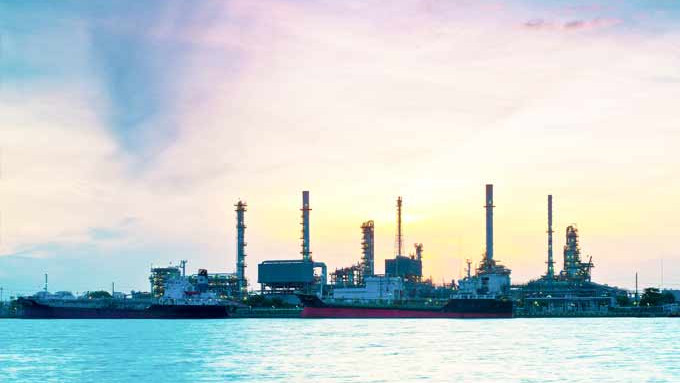
The diplomatic silence that followed the final plenary session in Belém was deafening. For the first time since the Copenhagen summit of 2009, the global climate forum failed to produce a consensus document guiding the shift away from fossil fuels. The breakdown was not a minor procedural hiccup but a fundamental rejection of the current financial architecture, with a bloc of developing nations citing the gap between promised and actual climate finance as an existential threat to their economic sovereignty. The absence of a deal means that the voluntary pledges made by major emitters remain the only legal instrument, a fragile foundation for the coming decades of industrialization.
The underlying tension stems from a deepening divergence between the industrialized world's desire for rapid decarbonization and the Global South's insistence on development rights. Wealthy nations sought to lock in renewable energy mandates and phase-out timelines for coal and gas, while emerging economies argued that their primary obligation was to lift hundreds of millions out of poverty. The institutional friction was exacerbated by the lack of a clear mechanism to verify and disburse the $100 billion annual climate finance pledge, which has long been viewed as a broken promise. This stalemate reflects a broader geopolitical shift where climate policy is increasingly subordinated to national security and economic competition.
The immediate casualty is the momentum for green investment in the developing world. Without a clear international framework, private capital will likely retreat to safer, regulated markets in the West, leaving emerging economies to rely on state-backed projects with higher costs and slower deployment. The vacuum created by the failed accord invites a new era of unilateralism, where major powers pursue their own climate strategies without regard for global coordination. This fragmentation will likely accelerate the divergence in emission trajectories, making the 1.5-degree target increasingly unattainable and locking in higher global temperatures for generations to come.
Comments 0