Criminal Liability for Climate Negligence: The Palisades Fire Verdict
A federal jury in Los Angeles has convicted Jonathan Rinderknecht of starting the deadly 2025 Palisades Fire, which claimed twelve lives. The verdict establishes a precedent for holding individuals criminally accountable for catastrophic wildfires driven by reckless behaviour in high-risk zones.
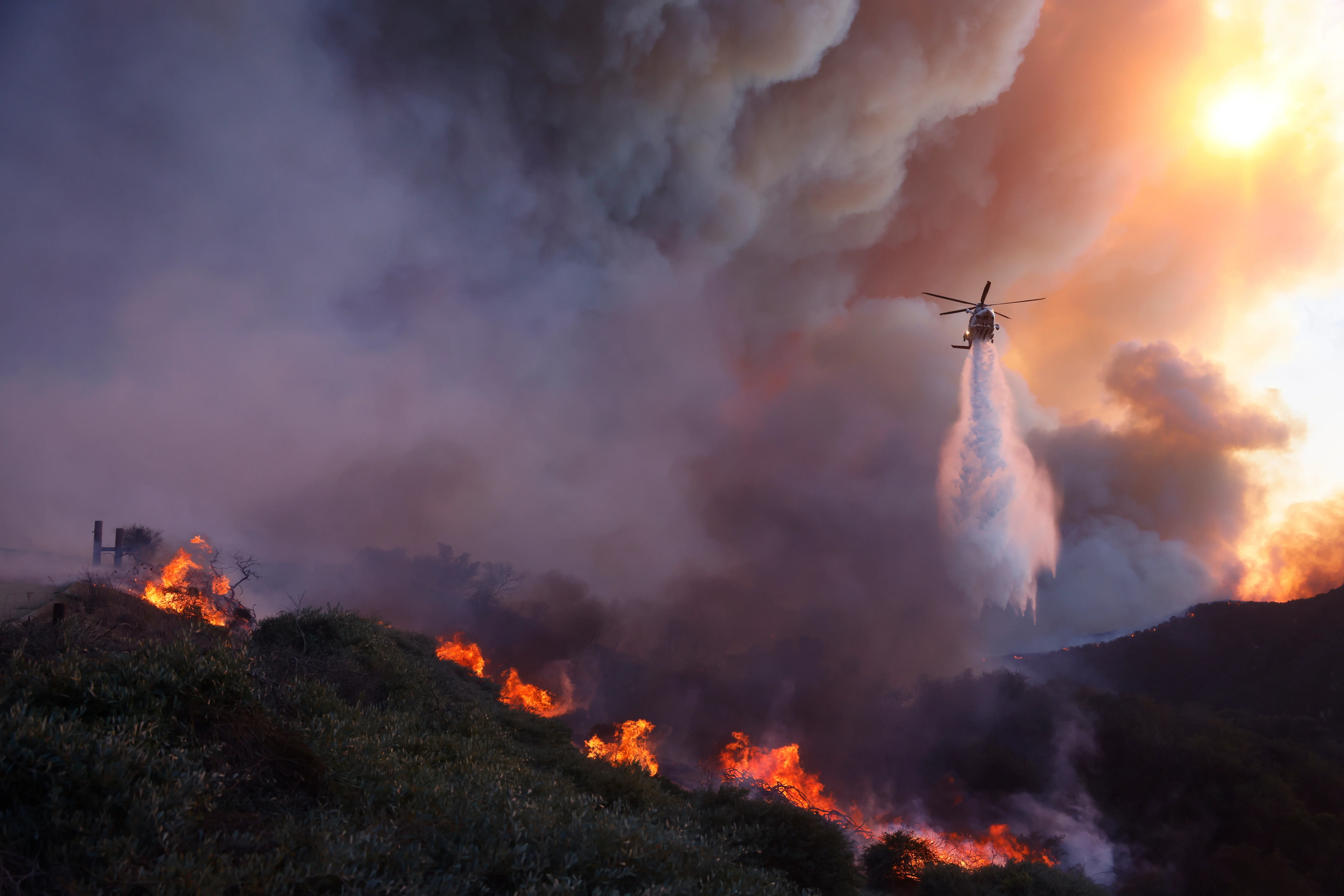
The conviction of Jonathan Rinderknecht, a thirty-year-old man described by prosecutors as being in a state of extreme emotional distress, marks a significant shift in how American courts address wildfire liability. The fire, which erupted in January 2025, devastated the Palisades neighbourhood and resulted in the deaths of twelve people. By securing a guilty verdict, the prosecution has moved beyond the traditional framework of insurance disputes and negligence claims, asserting that individual recklessness can be directly linked to mass casualty events in a climate-altered environment.
The institutional friction here is profound, as it challenges the long-standing legal ambiguity surrounding the causes of wildfires in California. For decades, the focus has been on utility companies and land management agencies, but this case places the burden squarely on individual conduct. The jury's decision reflects a societal demand for tangible accountability in the face of increasingly frequent and destructive fires. It signals that the legal system is no longer willing to treat such disasters as acts of God or inevitable byproducts of climate change, but as preventable crimes when human error is involved.
The downstream impact of this verdict will be felt in insurance markets and urban planning policies across the western United States. Insurers may face pressure to adjust premiums for high-risk zones, while local governments may implement stricter enforcement of fire safety regulations for residents. For the victims' families, the conviction offers a measure of justice, but it also highlights the growing gap between the speed of climate-driven disasters and the slow pace of legal adaptation. This case will likely be cited in future litigation, setting a high bar for proving intent or recklessness in environmental crimes.
Comments 0