Crude Reclaims the Century Mark as Middle Eastern Flashpoints Drive Global Energy Shockwaves
Global crude benchmarks have surged past one hundred dollars per barrel following persistent Middle Eastern supply contractions and the complete absence of diplomatic intervention. This sudden commodity inflation is immediately transmitting higher fuel tariffs to domestic consumers across major importing economies.
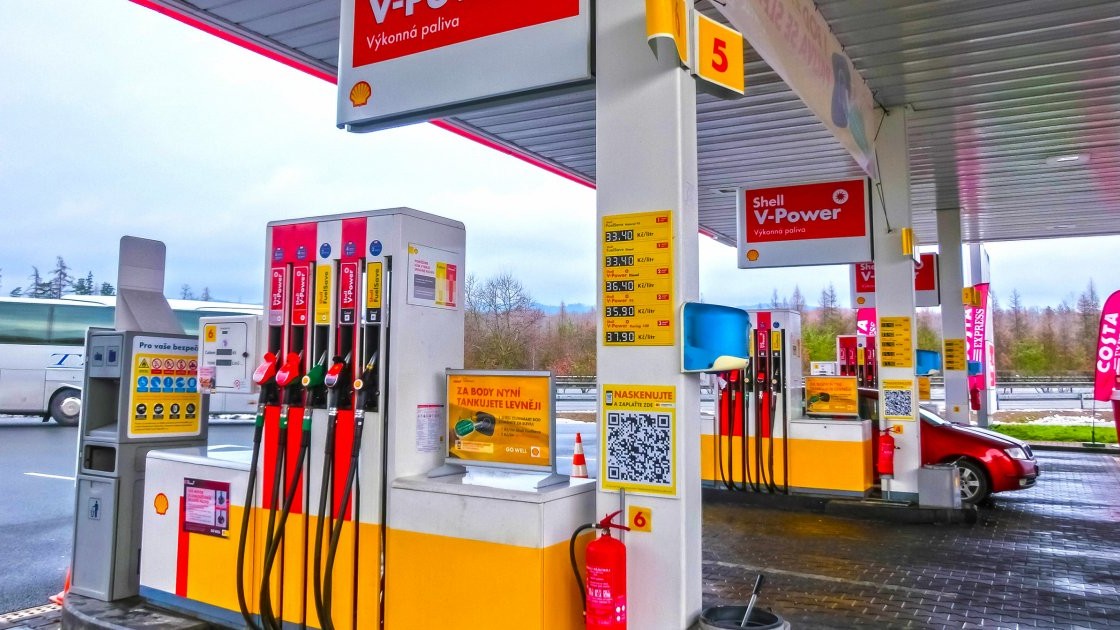
Energy markets have finally crossed the critical threshold that commodity forecasters warned about for months. With regional conflicts in the Middle East expanding unhindered by peace talks and inventories shrinking across key global storage hubs, the price of Brent and West Texas Intermediate has broken decisively back above the hundred dollar barrier. The immediate consequence is a painful recalibration of energy costs for industrial producers and ordinary citizens alike, triggering inflationary pressures that central banks thought they had subdued. For years, major economies operated under the assumption that spare production capacity could absorb geopolitical shocks in energy corridors. That structural buffer has evaporated under the weight of sustained infrastructure disruptions and chronically low capital investment in fossil fuel extraction. Importing nations now face a stark fiscal reality where expensive hydrocarbons threaten to stall industrial output, widen trade deficits, and force governments into emergency fiscal interventions to shield vulnerable demographics from exorbitant heating and transport costs. Downstream casualties of this price surge include logistics companies, airlines, and manufacturing sectors operating on narrow margins, all of which must now absorb or pass on punishing fuel expenses. Meanwhile, oil-exporting states reap unexpected fiscal windfalls, heightening global wealth divergence between resource-rich nations and energy-dependent importers. Analysts expect this commodity shock to compel a panicked acceleration of renewable energy adoption, even as immediate economic pain spreads through global supply chains.
Comments 0