Crude Shipping Costs Exceed One Million Dollars Daily As Strait Of Hormuz Disruption Escalates
The daily rate for commissioning a crude oil tanker has breached one million dollars for the first time in commercial maritime history. This unprecedented financial squeeze stems from extreme vessel scarcity and mounting owner reluctance to navigate volatile Middle Eastern corridors.
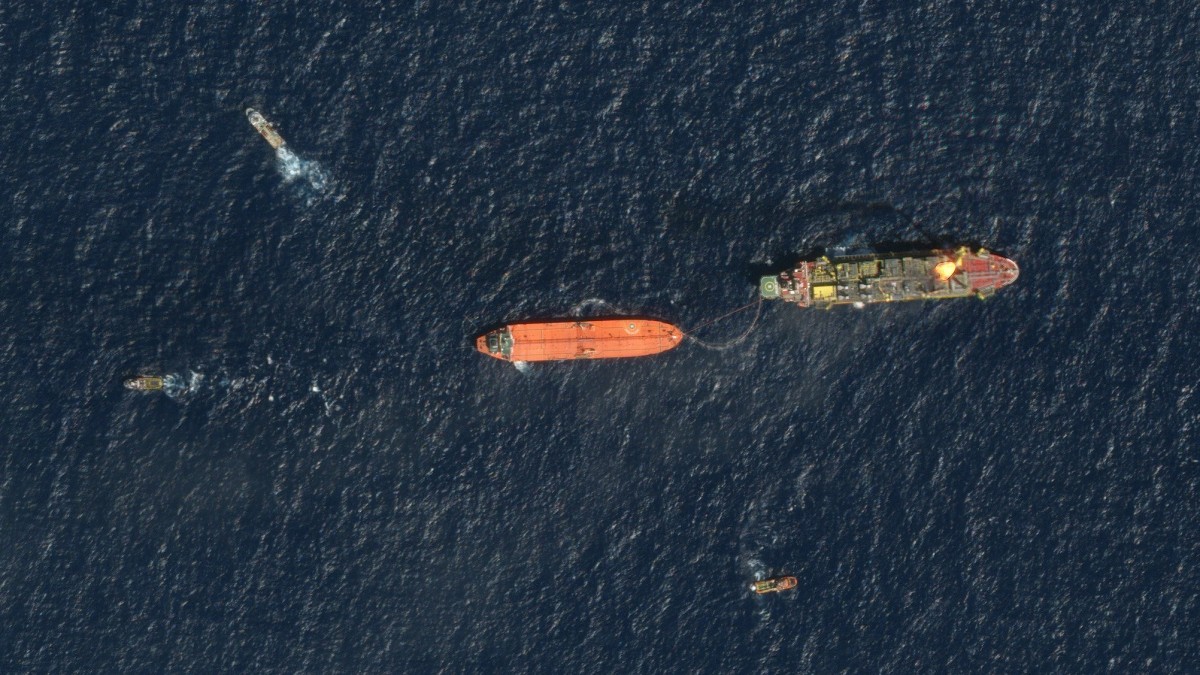
Global energy logistics experienced a historic fracture as daily charter tariffs for supertankers surpassed the seven-figure threshold. Shippers commanding vessels capable of moving crude oil and refined petroleum products through high-risk passages are demanding astronomical premiums. Vessel operators are increasingly refusing transit through the Strait of Hormuz, citing uninsurable risks and the immediate threat of regional hostilities. This shipping paralysis exposes deep vulnerabilities within international supply chains, pitting desperate energy importers against an oligopoly of vessel owners holding all operational cards. Traditional maritime insurers have rapidly withdrawn standard coverage for the zone, forcing shipowners to absorb astronomical liability costs or halt operations altogether. Regulatory bodies in major consuming nations watch helplessly as maritime commerce grinds toward a functional bottleneck, unable to compel private operators into hazardous zones. The immediate financial shockwave cascades directly into global manufacturing and consumer energy prices, inflating production costs across Asia and Europe. Refiners dependent on Middle Eastern crude now face debilitating operational overheads, forcing several secondary facilities to scale back processing capacity. Independent energy traders absorbed the initial margin shock, but sustained pricing at this altitude guarantees broader inflationary pressures throughout the international economy.
Comments 0