Cuba on the Brink: Trump's 'Little Stopover' Hints at Next Front in US Power Projection
Following the return of US warships from the Iran conflict, President Trump has hinted at a potential military intervention in Cuba, describing it as a 'little stopover.' This rhetoric signals a hardening of the US stance against the Cuban government and raises the prospect of a new flashpoint in the Western Hemisphere.
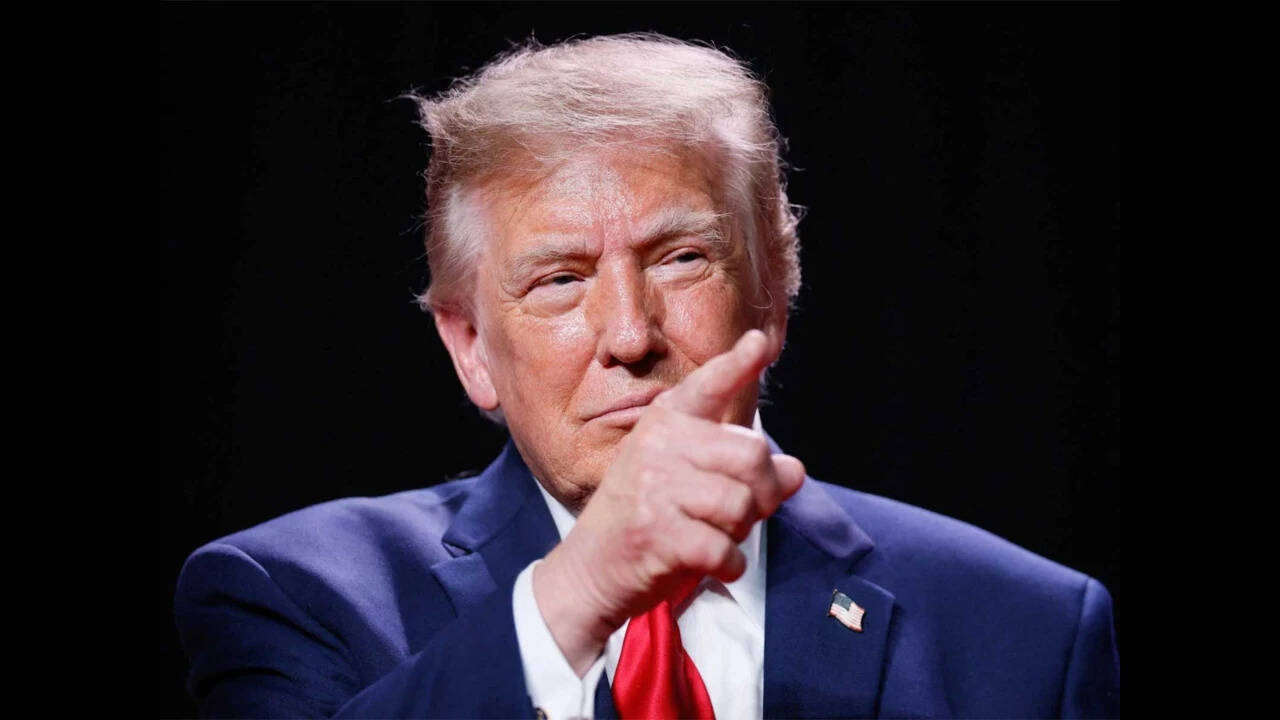
The recent return of US warships from the Iran conflict has been immediately followed by President Trump's provocative suggestion that Cuba could be the next target of US military action, which he dismissed as a 'little stopover.' This comment, made alongside Secretary of State Rubio's hardline remarks, marks a significant escalation in the US government's approach to the Cuban regime. The threat is not merely rhetorical but is backed by the recent deployment of naval assets, indicating a readiness to use force if diplomatic efforts fail.
The underlying tension in this situation is rooted in decades of US-Cuban hostility and the current administration's broader strategy of using military pressure to achieve political objectives. The friction is compounded by the internal political dynamics in Cuba, where the government's grip on power is increasingly challenged by economic hardship and social unrest. The US sees an opportunity to exploit these vulnerabilities, while the Cuban leadership views any military threat as an existential challenge that will only strengthen its resolve to resist.
The downstream consequences of this escalation could be severe, with the potential for a humanitarian crisis if military action is taken. The tangible outcome is a heightened state of alert in the Caribbean, where the presence of US military assets has already caused concern among neighboring countries. The next year will likely see a significant increase in diplomatic efforts to de-escalate the situation, but the risk of miscalculation remains high, making the region more volatile than it has been in decades.
Comments 0