Cyclone Akvan Looms Over Bay of Bengal, Prompting Coastal Precautions
Meteorological agencies forecast that Cyclone Akvan will intensify into a very severe cyclonic storm as it moves northwestward, threatening coastal districts of Odisha and West Bengal. Authorities have begun pre‑emptive measures to safeguard lives and property.
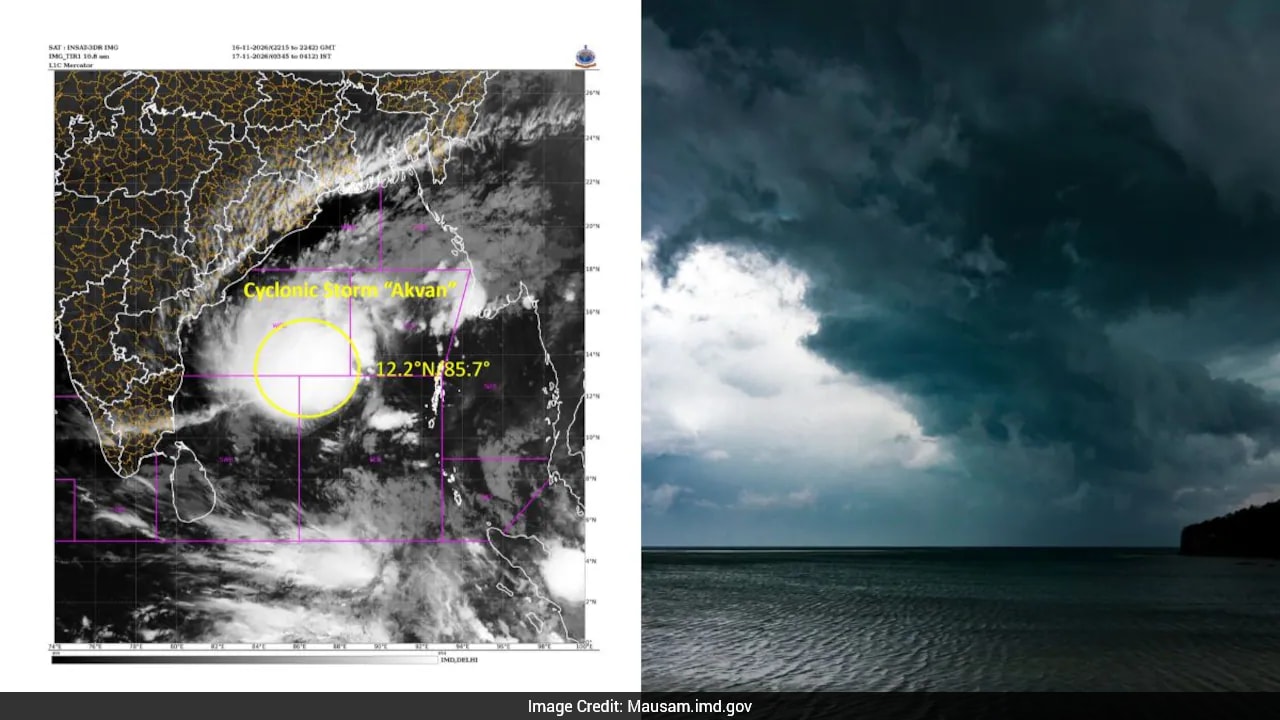
The India Meteorological Department has issued an advisory indicating that Cyclone Akvan, currently forming over the Bay of Bengal, is expected to strengthen into a very severe cyclonic storm by the morning of November nineteenth. The system is projected to follow a northwestward trajectory, bringing sustained winds exceeding 120 kilometres per hour and heavy rainfall to the coastal stretches of Odisha and West Bengal. The forecast has prompted the national disaster management authority to activate emergency response protocols, including the pre‑positioning of relief supplies and the mobilisation of rescue teams.
State governments along the projected path have ordered the evacuation of vulnerable populations from low‑lying areas, particularly in districts prone to flooding and storm surges. Temporary shelters have been set up in schools and community centres, equipped with basic amenities to accommodate displaced families. Additionally, power utilities have been instructed to reinforce transmission lines and to prepare for potential outages, while the fisheries sector has been advised to secure vessels and equipment to minimise loss. The coordinated response reflects lessons learned from previous cyclonic events, emphasizing early warning dissemination and community engagement.
The impending cyclone carries significant economic and social ramifications. Agricultural output in the affected regions could suffer substantial setbacks if floodwaters inundate paddy fields, potentially affecting food supply chains and market prices. Moreover, the disruption of port operations may delay cargo shipments, influencing trade flows and adding pressure to supply‑chain timelines. In the longer view, the event underscores the growing need for resilient coastal infrastructure and adaptive planning, as climate variability continues to elevate the frequency and intensity of such storms across the Indian subcontinent.
Comments 0