Rupee Strengthens as Oil Prices Slip and Foreign Inflows Surge
The rupee appreciated to 93.63 per US dollar, buoyed by a decline in crude oil prices and a fresh wave of foreign institutional inflows. The movement has immediate implications for import costs and the balance of payments outlook.
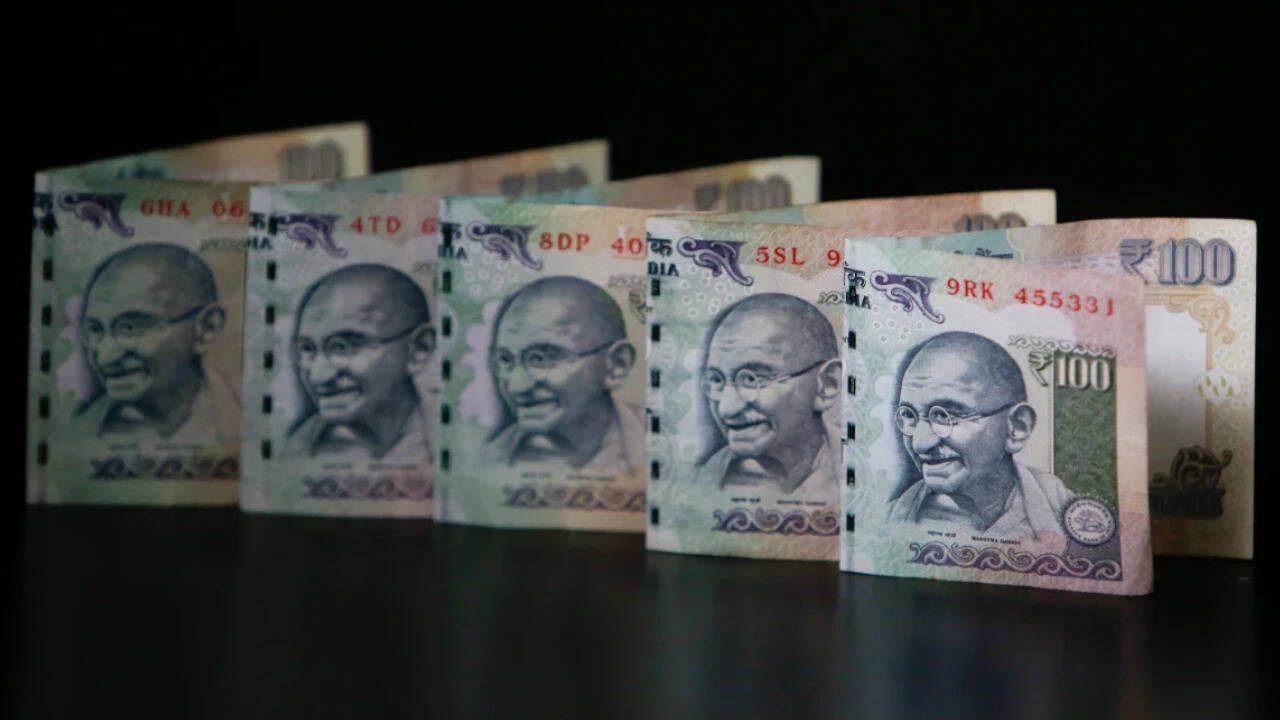
On Tuesday the Indian rupee closed at 93.63 against the US dollar, marking a modest yet notable gain that followed a broader retreat in global oil prices after a week of heightened supply concerns. The price of Brent crude fell by more than two dollars per barrel, easing the import bill for a nation that spends a sizable share of its foreign exchange reserves on petroleum. The currency’s rally was further reinforced by a surge in foreign institutional investors purchasing Indian bonds and equities, a trend that added upward pressure on the rupee through heightened demand for domestic assets.
The appreciation reflects a confluence of macroeconomic variables that have begun to align in India’s favour. Lower oil prices reduce the current account deficit, freeing up foreign exchange reserves and allowing the central bank to adopt a more accommodative stance without fearing a sharp depreciation. Simultaneously, the inflow of foreign capital, driven by a search for yield in emerging markets, has bolstered the demand for the rupee as investors convert dollars to purchase Indian securities. Market analysts caution, however, that the rally remains vulnerable to external shocks such as renewed geopolitical tensions or a sudden reversal in global risk appetite.
The immediate consequences of the rupee’s gain are felt across multiple sectors. Import‑dependent industries, including aviation and pharmaceuticals, anticipate lower input costs, which could translate into modest price reductions for consumers. Conversely, exporters may face tighter margins as a stronger currency makes Indian goods less competitive abroad, prompting some firms to explore cost‑saving measures or diversify into higher‑value markets. The central bank is likely to monitor the currency’s trajectory closely, balancing the benefits of a stable rupee against the need to sustain growth‑supportive monetary conditions.
Comments 0