Cyclone Threat Prompts Red Alerts Across Eight Indian States
The India Meteorological Department issued rain and thunderstorm warnings for eight states while a cyclone approaches Andhra Pradesh and Odisha, with Kerala placed under a red alert. The forecast has triggered emergency preparations and disrupted travel plans nationwide.
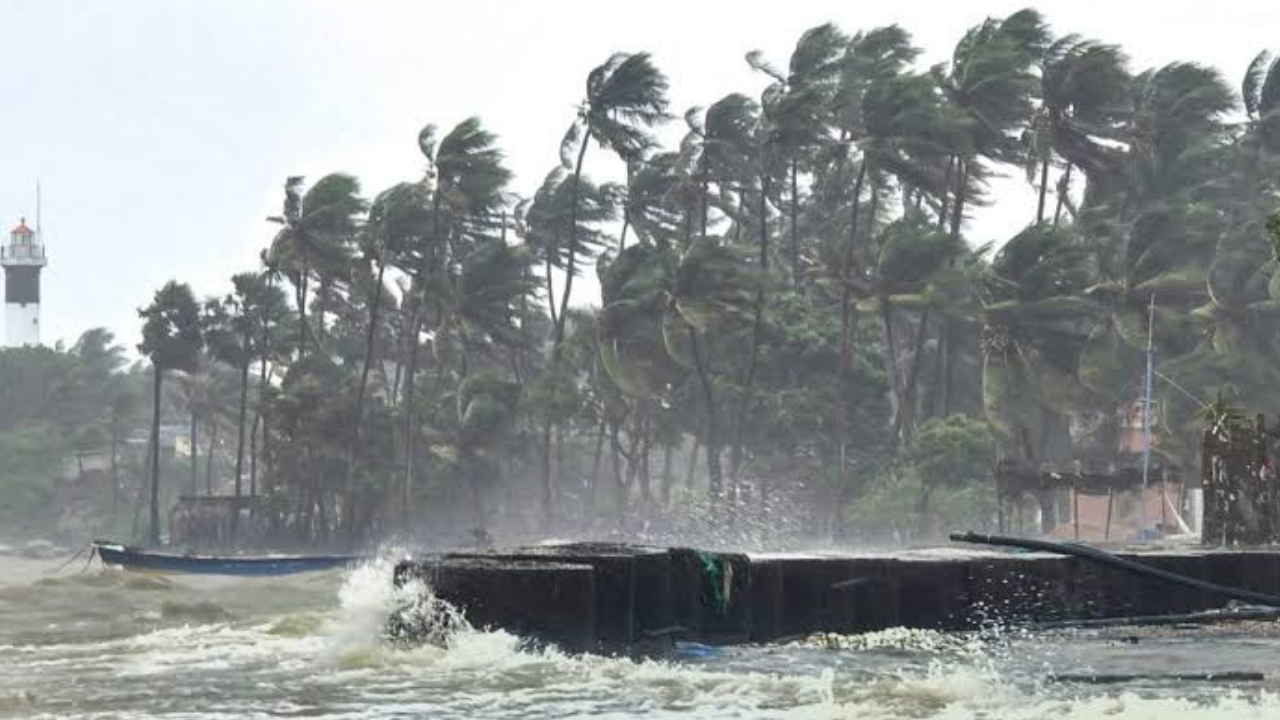
The IMD’s latest bulletin warned of intense rainfall, strong winds, and possible flooding across Delhi, Maharashtra, Gujarat, West Bengal, Karnataka, Tamil Nadu, Andhra Pradesh, and Odisha, while Kerala faces a red alert due to the cyclone’s projected landfall. Authorities have mobilised disaster response teams, pre‑positioned relief supplies, and issued evacuation advisories for low‑lying coastal communities. The immediate impact includes flight cancellations, road closures, and heightened demand for emergency shelters, straining local resources and prompting a coordinated inter‑state response.
Underlying this meteorological event is a pattern of increasingly severe weather linked to broader climatic shifts, which has placed pressure on India’s disaster management infrastructure. The government’s recent investments in early warning systems and community resilience programs are being tested as the cyclone’s trajectory threatens densely populated regions. Experts note that the convergence of monsoon dynamics and oceanic temperature anomalies amplifies the intensity of such storms, challenging traditional preparedness models.
The downstream effects are likely to manifest in agricultural losses, infrastructure damage, and a surge in insurance claims, particularly in the affected coastal districts. Power outages and waterlogging may disrupt industrial operations, while public health officials brace for potential disease outbreaks in the aftermath. Over the next twelve months, the event could accelerate policy discussions on climate adaptation, prompting revisions to building codes and investment in flood‑resilient infrastructure across vulnerable states.
Comments 0