Delhi Breathes Easier as October AQI Hits Historic Low
Delhi has recorded its lowest average Air Quality Index for the month of October in recorded history, a rare reprieve from the city's perennial smog. Meteorological factors, including unseasonal rainfall and a delayed Diwali festival, have temporarily suppressed the usual surge in particulate matter.
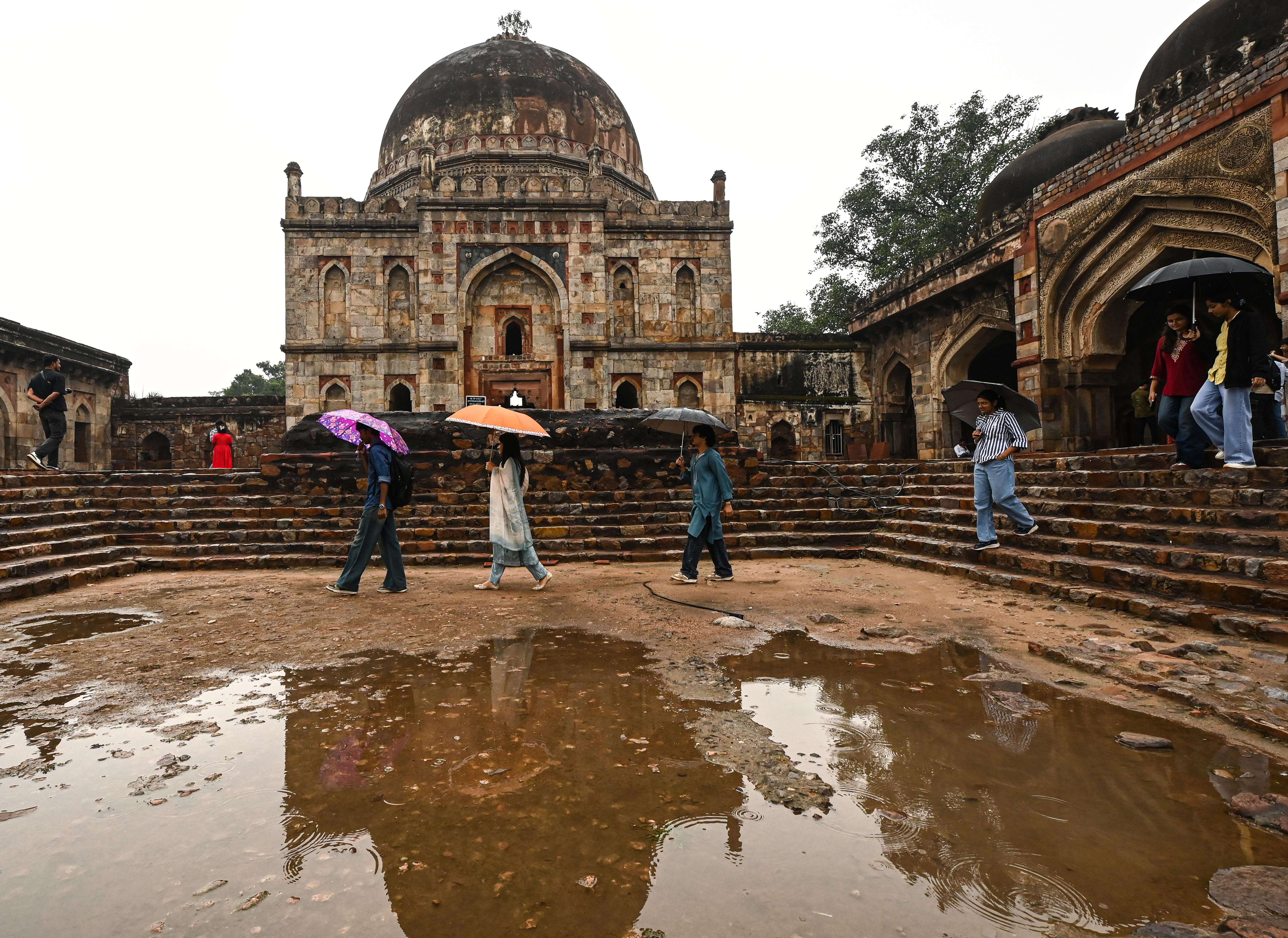
The concrete rupture in Delhi's environmental narrative is the statistical anomaly of a clean October. For decades, the capital's autumn has been defined by a toxic haze that blankets the city, driven by crop burning in neighboring states and vehicular emissions. This year, however, the Air Quality Index dipped to historic lows, offering residents a brief period of clarity. The shift is not a result of long-term policy success but a convergence of favorable meteorological conditions. Heavy rainfall washed out suspended particulates, while the timing of the Diwali festival, which typically coincides with peak pollution due to firecracker usage, fell outside the standard monitoring window, altering the aggregate data.
The underlying tension remains between the city's structural inability to manage pollution and the whims of weather. The reliance on rainfall to improve air quality highlights the inadequacy of current mitigation strategies, which often fail to address the root causes of emissions. Institutional friction persists between the central government, state authorities, and neighboring states regarding the enforcement of anti-burning measures. While the current data offers a moment of relief, it does not signify a systemic change in the city's environmental trajectory. The administrative response has been reactive rather than proactive, with policies often implemented only after the crisis has peaked, rather than preventing the accumulation of pollutants.
The tangible outcome for Delhi's residents is a temporary respite from respiratory distress, but the long-term health implications of chronic exposure remain unchanged. The economic cost of pollution, measured in healthcare expenditures and lost productivity, continues to weigh heavily on the city's budget. This event underscores the fragility of environmental gains in the face of climate variability and the urgent need for structural reforms in urban planning and industrial regulation. Without a fundamental shift in how the region manages emissions, the next October is likely to revert to its usual state of atmospheric toxicity, leaving the current clarity as an isolated anomaly rather than a new normal.
Comments 0