Delhi’s Pre‑Diwali Air Quality Sparks Call to Target Stubble Burning
The Centre for Science and Environment presented data showing that Delhi’s particulate matter levels were already high before fireworks began, shifting blame toward agricultural residue burning. The report has prompted municipal authorities to intensify enforcement against stubble fires in neighboring states.
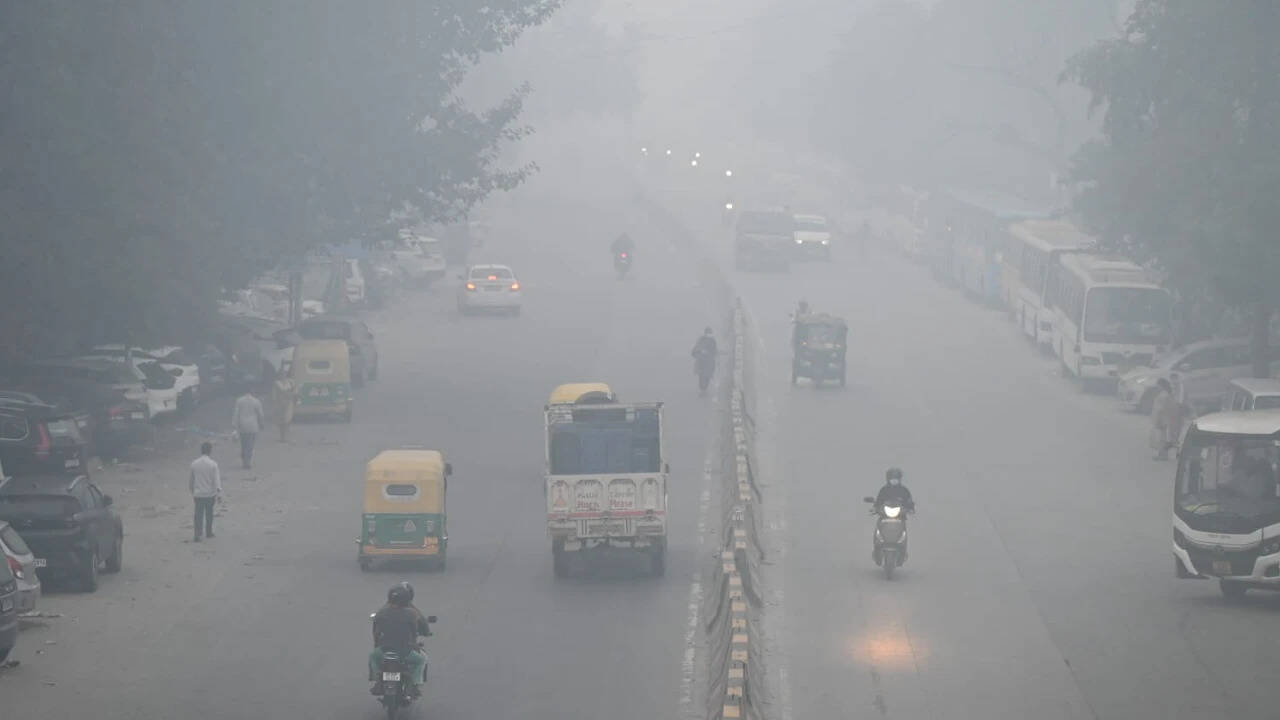
The latest air‑quality readings from the capital revealed that fine‑particle concentrations hovered near hazardous thresholds in the days leading up to the Diwali festival, a period traditionally associated with a surge in firecracker usage. Researchers from the Centre for Science and Environment argued that the pre‑festival spike could not be explained by fireworks alone, pointing instead to the seasonal practice of burning crop residues in the Indo‑Gangetic plain. Their analysis, based on satellite imagery and ground‑level monitors, suggested that the smoke plume from Uttar Pradesh and Haryana farms was already blanketing the city, compromising public health and undermining the festive spirit.
City officials, faced with mounting public pressure, announced a series of coordinated actions aimed at curbing the practice of stubble burning. These measures include deploying additional aerial surveillance units, imposing heavier fines on violators, and offering subsidies for alternative residue management techniques such as bio‑energy conversion. The municipal corporation also pledged to work with state governments to synchronize enforcement, recognizing that air quality is a trans‑regional challenge that cannot be addressed in isolation. Critics, however, warn that without a robust supply chain for alternative uses of agricultural waste, enforcement may merely push the problem underground.
The immediate fallout from the report is already reshaping political discourse ahead of the upcoming state elections, with opposition parties seizing on the data to accuse the ruling coalition of neglecting environmental stewardship. Industry groups, particularly those linked to the fireworks market, have expressed concern that the narrative shift could dampen sales, prompting them to lobby for clearer guidelines that differentiate between legal and illegal sources of pollution. Over the next twelve months, the heightened scrutiny is expected to accelerate investments in clean‑energy alternatives for farmers, potentially reducing the seasonal haze that has long plagued the capital.
Comments 0