Delhi’s Air Quality Remains Critical Despite Post-Diwali Improvements
Although the Air Quality Index in Delhi has improved to 'poor' levels following the Diwali firecracker ban, neighboring Ghaziabad continues to choke at hazardous levels. The disparity highlights the failure of regional coordination in managing transboundary pollution across the National Capital Region.
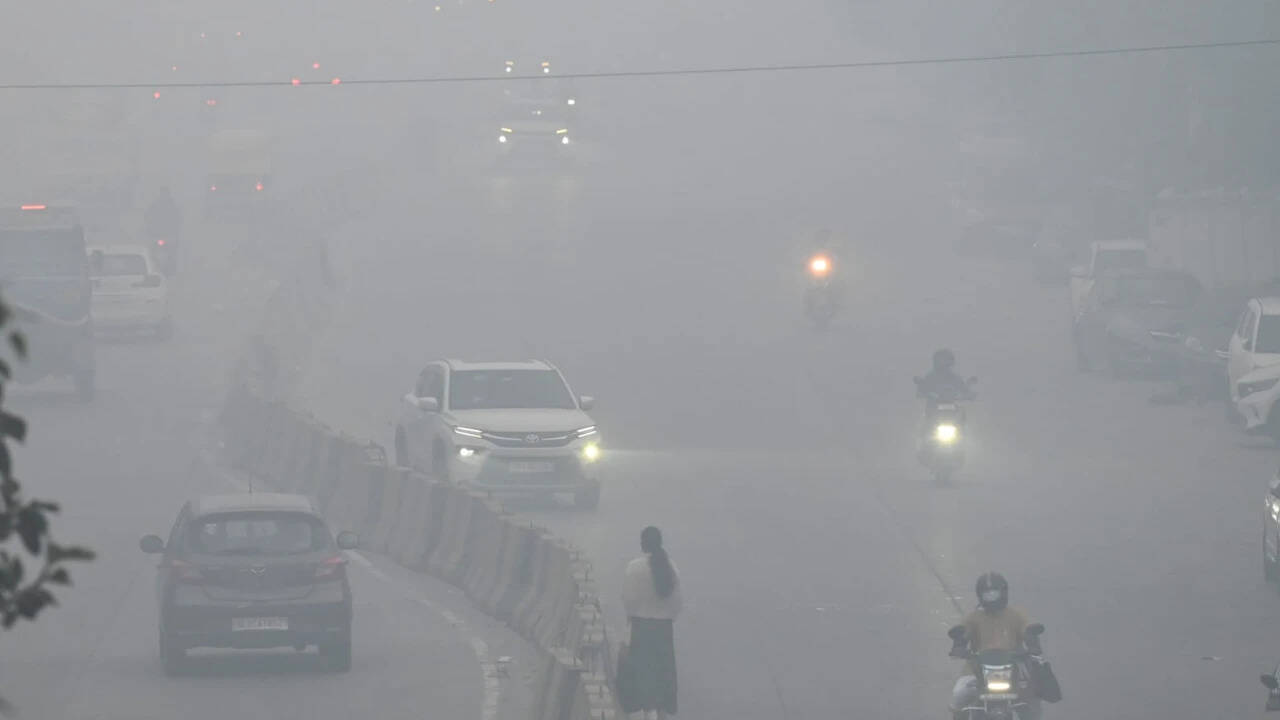
The immediate aftermath of Diwali in Delhi has brought a marginal improvement in air quality, with the AQI dropping to 299, a level classified as 'poor' rather than the severe categories seen in previous years. However, this improvement is not uniform across the region; in Ghaziabad’s Loni sector, the AQI remains at 470, indicating hazardous conditions that pose immediate risks to respiratory health. This divergence underscores the localized nature of pollution sources and the varying effectiveness of enforcement measures in different administrative jurisdictions within the National Capital Region. The data suggests that while central Delhi has managed to mitigate some of the worst impacts, the periphery continues to suffer from unchecked emissions.
The underlying tension stems from the fragmented governance structure of the NCR, where state and municipal boundaries create silos in environmental enforcement. Delhi’s stricter regulations on firecrackers and industrial activity have not been mirrored consistently in neighboring districts, leading to a phenomenon where pollution migrates across administrative lines. This institutional friction prevents a unified response to air quality crises, allowing pockets of severe pollution to persist even when the capital appears to be recovering. The lack of a cohesive regional strategy means that improvements in one area are often offset by continued negligence in adjacent zones, perpetuating a cycle of environmental injustice.
The tangible outcome of this disparity is a continued public health burden on the residents of the NCR periphery, who are often the most vulnerable to long-term respiratory diseases. The persistent high AQI in areas like Loni serves as a stark reminder that the fight against air pollution is not a single-city endeavor but a regional challenge that requires coordinated action. If these patterns continue, the health costs will be borne disproportionately by those living in the industrial and residential fringes of the capital, exacerbating existing social inequalities. The situation demands a reimagining of environmental governance that transcends state lines and focuses on the holistic health of the entire metropolitan region.
Comments 0