Delhi Enforces Winter Pollution Patrol with Vehicle Limits and Remote Work Mandate
The Delhi government announced a strict winter‑time pollution control regime that caps vehicle entry, raises parking fees and mandates work‑from‑home for non‑essential staff. The measures are slated to run from 1 November to 31 January, aiming to curb particulate matter levels that routinely breach national standards.
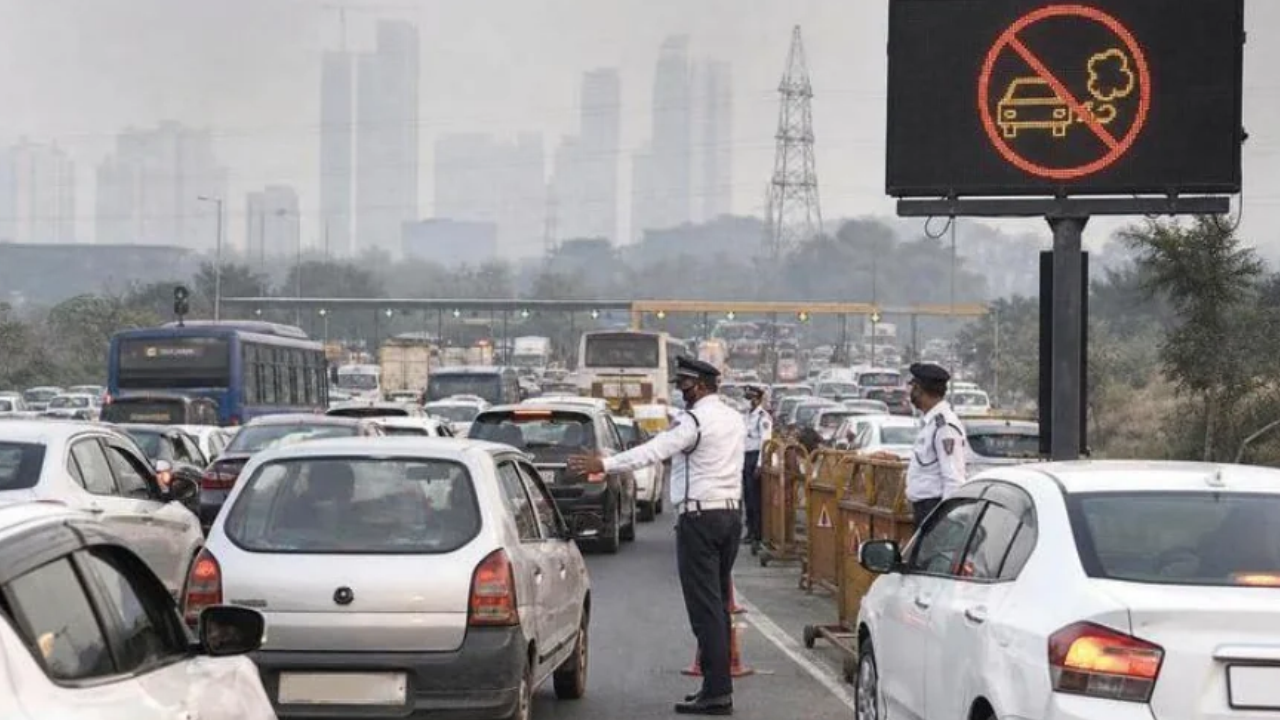
The concrete rupture materialised when the municipal authority issued an order restricting the number of private cars allowed to enter the city each day, allocating permits based on emission standards and vehicle age. Simultaneously, the administration increased parking charges in high‑traffic zones and introduced a mandatory remote‑work schedule for government employees and private firms with flexible policies. These steps constitute a coordinated assault on the sources of smog that have plagued Delhi during the winter months for years.
Underlying tension has emerged between commuters, business owners and environmental activists. Drivers argue that the caps disproportionately affect low‑income workers who rely on personal transport, while retailers fear reduced footfall will hurt sales during the festive season. Environmental groups, however, applaud the decisive action, pointing to scientific studies that link winter haze to heightened respiratory illnesses. The policy also raises questions about the city’s capacity to enforce compliance and the role of emerging AI‑driven surveillance tools that will monitor traffic flow in real time.
The downstream casualties and tangible outcomes will manifest in public health and urban mobility patterns. Early data from air‑quality monitors suggest a measurable dip in PM2.5 concentrations, which could translate into fewer hospital admissions for asthma and other lung conditions. On the economic front, businesses that adapt to hybrid work models may discover productivity gains, while sectors dependent on in‑person traffic may need to recalibrate their strategies. The initiative also sets a precedent for other Indian metros confronting seasonal pollution spikes, potentially prompting a cascade of similar policies nationwide.
Comments 0