Delhi Police Detain CJP Leaders in Preventive Arrest
Delhi police have placed CJP leader Abhijeet Dipke, along with Ashutosh Ranka and Saurav Das, under preventive arrest. The move signals a tightening of security protocols in the capital, with the individuals scheduled for production at Delhi Cantt police station.
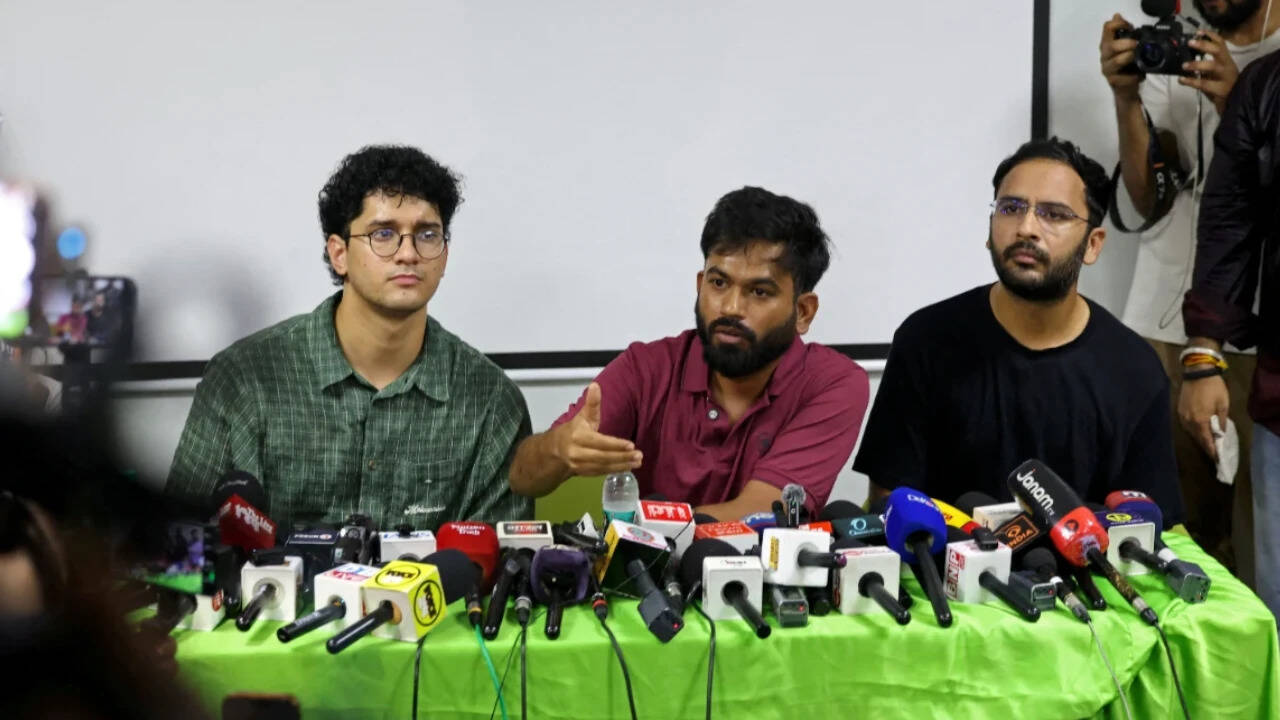
The preventive arrest of Abhijeet Dipke, a prominent figure in the City Justice Party, alongside associates Ashutosh Ranka and Saurav Das, represents a concrete shift in the operational posture of the Delhi police. By invoking preventive detention powers, the authorities have moved beyond reactive policing to a proactive suppression of potential unrest. This action isolates key leadership figures from their organizational networks, effectively disrupting any coordinated mobilization efforts that might have been brewing in the capital. The decision to produce them at the Delhi Cantt police station underscores the specific jurisdictional focus of the operation, targeting a central node in the city's political and social geography.
The institutional friction here lies in the balance between maintaining public order and preserving the rights of political dissent. The use of preventive arrest, a tool often reserved for imminent threats, suggests that the police intelligence apparatus perceives a significant risk of disruption from the CJP's activities. This reflects a broader tension in Indian urban governance, where the state's capacity to monitor and preempt political opposition is increasingly exercised through legal mechanisms that bypass the usual checks of trial and evidence. The move places the burden of proof on the state to justify the necessity of detention, a standard that is often difficult to meet in the fast-moving context of political mobilization.
The tangible outcome for the CJP is the immediate fragmentation of its command structure. With its leaders in custody, the organization faces a period of operational paralysis, during which its ability to organize, communicate, and mobilize supporters is severely curtailed. For the broader political in Delhi, this incident serves as a warning to other opposition groups about the limits of permissible dissent. The downstream effect is a chilling effect on political activism, where the threat of preventive detention may deter potential participants from engaging in public demonstrations or political organizing, thereby altering the dynamics of local governance and civic engagement in the capital.
Comments 0