Delhi Police Standoff at Jantar Mantar Tests Limits of Public Assembly
A prolonged protest at Jantar Mantar has exposed the legal ambiguity surrounding police powers to disperse gatherings in public spaces. The standoff highlights the growing tension between civic dissent and state enforcement mechanisms in the capital.
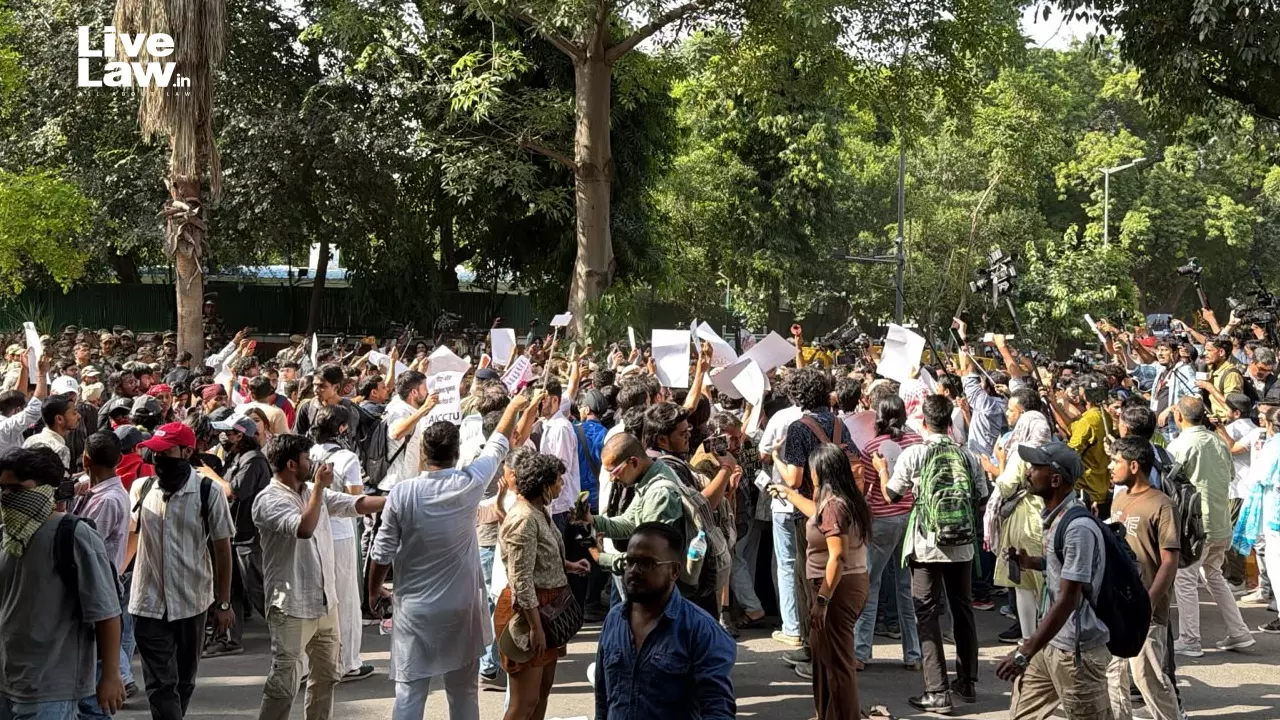
The confrontation at Jantar Mantar has crystallized a long-simmering dispute over the right to assemble in the heart of Delhi. Protesters have maintained their presence on the lawns, challenging the police's attempts to clear the area under standing orders. This is not merely a physical standoff but a legal one, where the boundaries of permissible protest are being tested in real time. The police have cited safety and order, while the demonstrators argue that their presence is a legitimate exercise of democratic rights. The situation has drawn national attention, with legal experts and civil society groups monitoring the interactions closely.
The institutional friction arises from a lack of clear, consistent guidelines on how police should manage protests in sensitive locations. The standing orders, which dictate the terms of assembly, are often applied selectively, leading to accusations of bias and overreach. The police force finds itself caught between maintaining public order and respecting constitutional freedoms, a dilemma that has no easy resolution. The legal framework is outdated and does not adequately address the complexities of modern protest movements, which often rely on sustained presence rather than single-day rallies.
The tangible outcome of this standoff is a heightened awareness of the legal risks associated with public dissent. Protesters face the threat of arrest and legal action, while the police risk criticism for heavy-handedness. The downstream effect is a chilling effect on future protests, as participants become more aware of the legal consequences. The incident also underscores the need for a comprehensive review of the laws governing public assembly, to ensure that they balance the rights of citizens with the need for public safety.
Comments 0