Delhi Schools Ordered to Form Anti-Tobacco Committees to Curb Campus Substance Abuse
The Delhi Education Department has mandated the formation of anti-tobacco committees in all government and private schools to combat the rising tide of substance abuse among students. This directive aims to create a structured, institutional response to a public health crisis that threatens the well-being of the next generation.
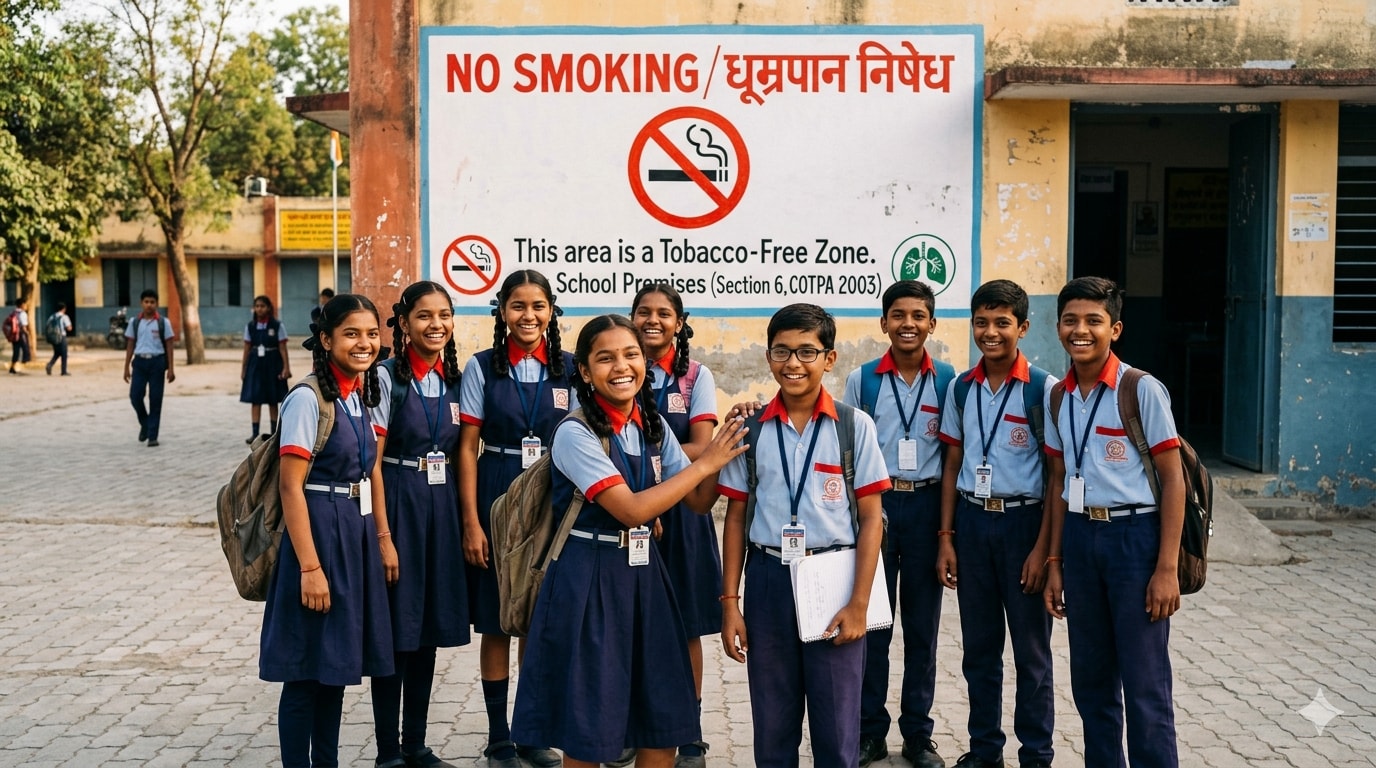
The concrete rupture in educational policy is the formalization of anti-tobacco efforts through the mandatory creation of dedicated committees in schools across Delhi. This move signals a shift from passive awareness to active institutional intervention, recognizing the severity of substance abuse as a systemic issue within the student body. The immediate shockwave is a reorganization of school administrative structures, with new responsibilities assigned to faculty and staff to monitor and address tobacco and substance use on campus.
The underlying tension is rooted in the growing disconnect between traditional educational environments and the modern realities of youth behavior, where access to tobacco and other substances has become increasingly easy. Institutional friction arises from the challenge of enforcing these new protocols in schools that may lack the resources or training to effectively implement them. The directive reflects a broader societal concern about the health of young people and the role of educational institutions in shaping healthy habits and preventing addiction.
The downstream casualties of this policy include the potential stigmatization of students who may be struggling with substance abuse, if the committees are not handled with sensitivity and care. The tangible outcome is a more vigilant and proactive approach to student health, with the hope of reducing the prevalence of tobacco and substance use in schools. The structural consequence is a long-term shift in the culture of schools, where health and well-being are integrated into the core educational mission, potentially influencing the health outcomes of an entire generation.
Comments 0